TERRE À TABLE
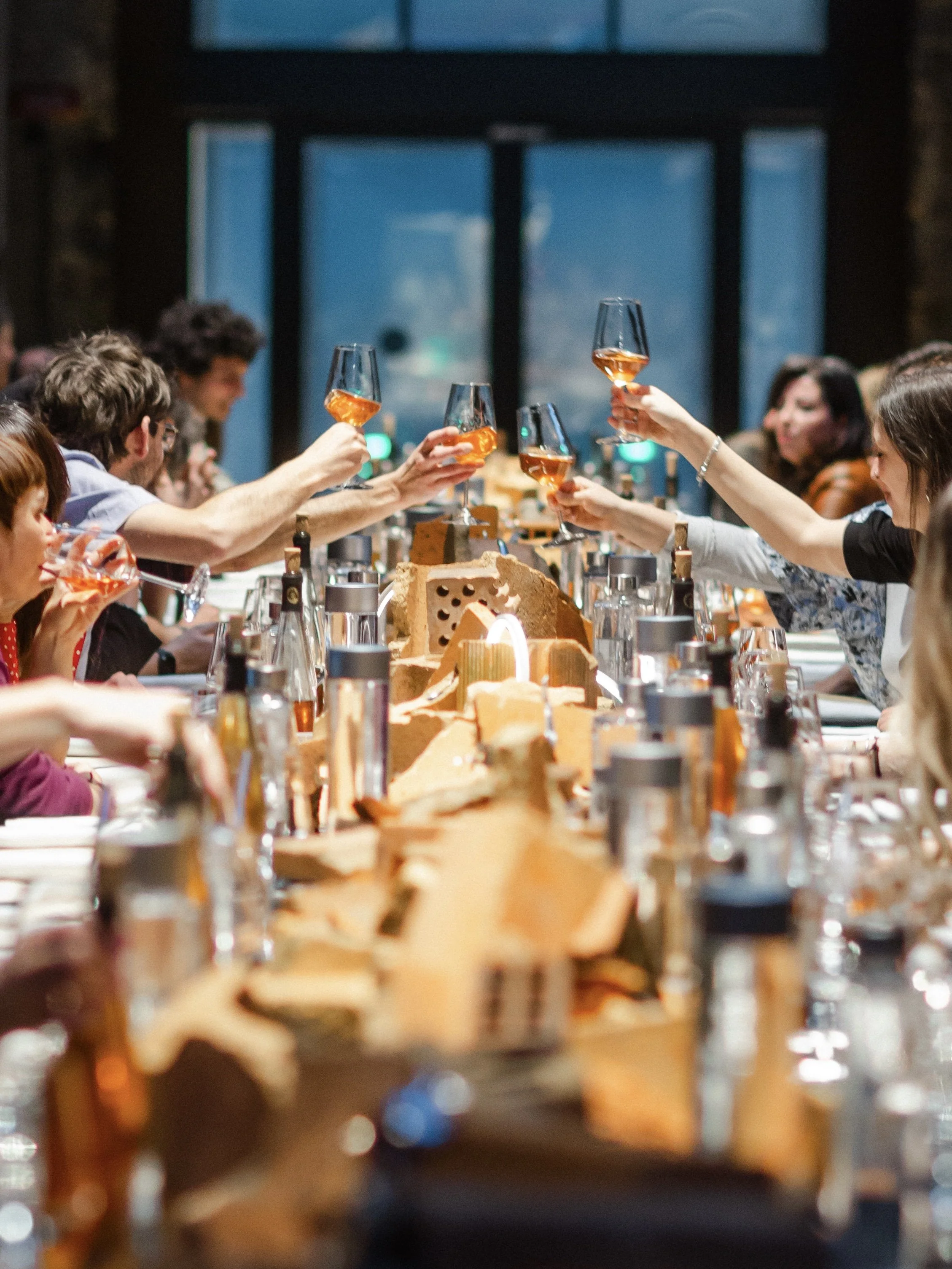
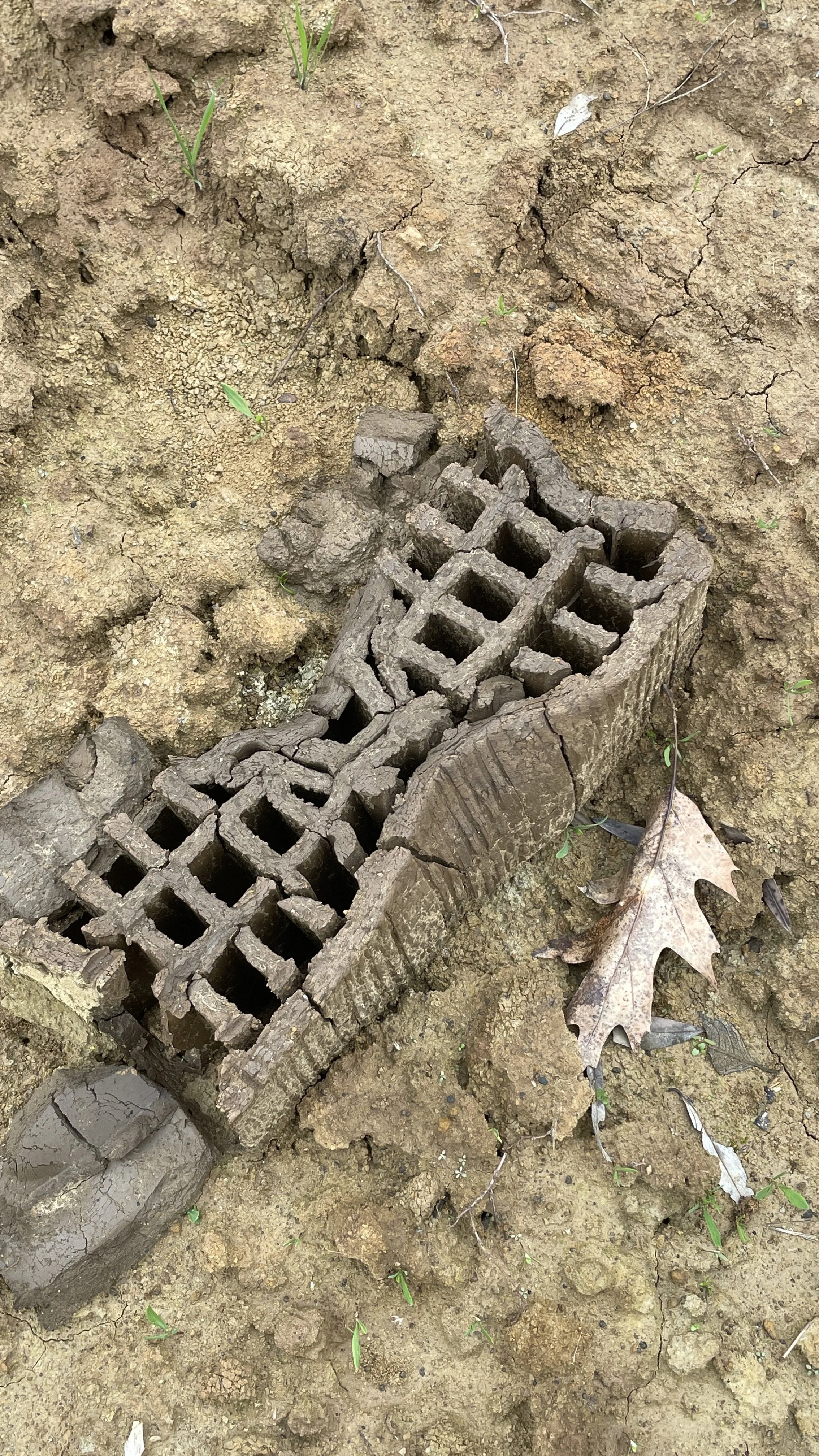
The project draws inspiration from an ancient belief: the body belongs to its homeland, and distance from it generates imbalance, a form of nostalgia. To adapt and regain balance, this idea proposes ingesting the earth of one's place of origin.
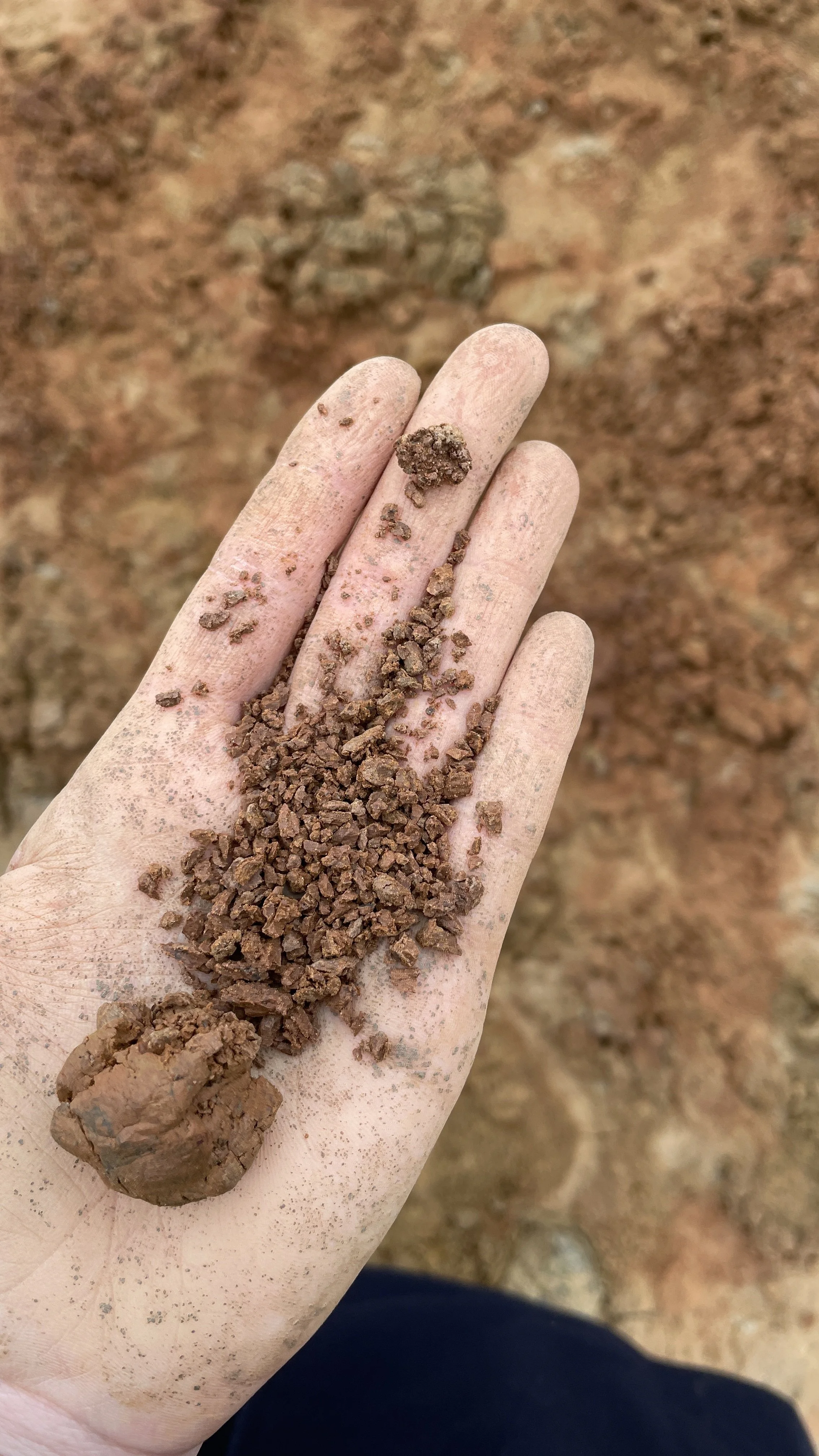
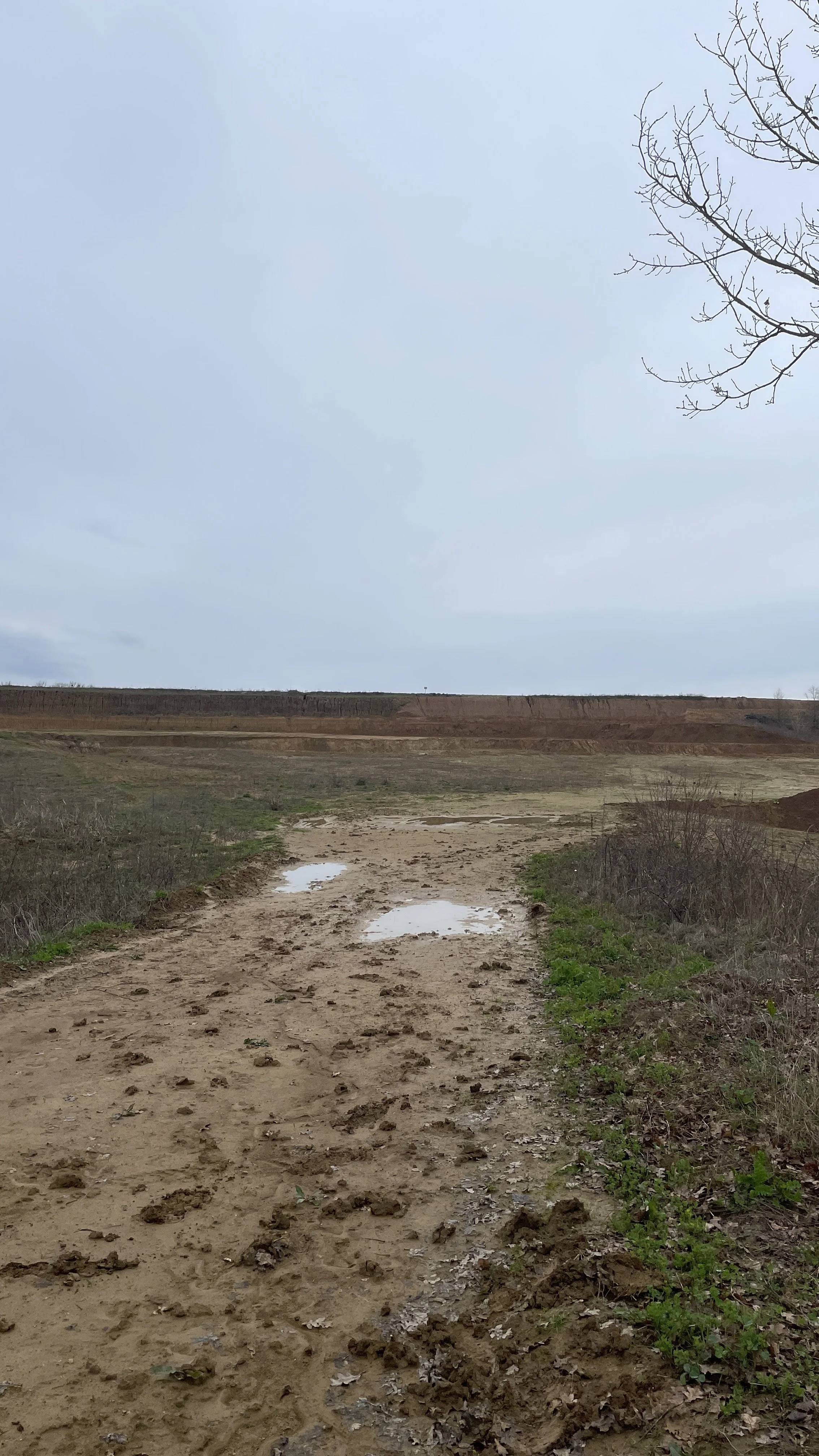
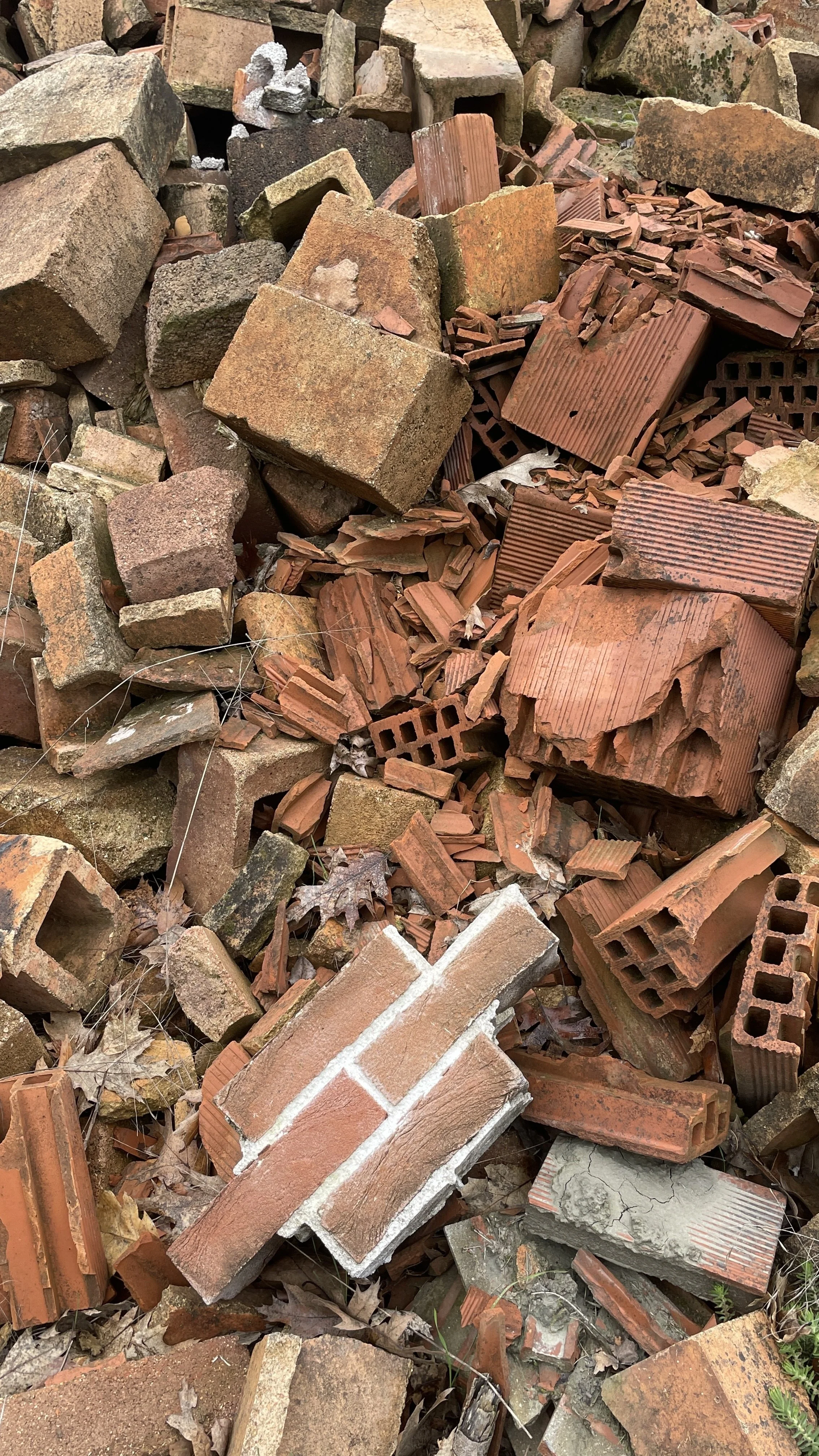
Terre à Table explores the blurred line between what is edible and what is not, it’s a dining experience created for @ogr_torino, and inspired by the local landscape of the Torino region: the soil is known for its iron rich clay, and architecture that features distinct red-brick and terracotta façades
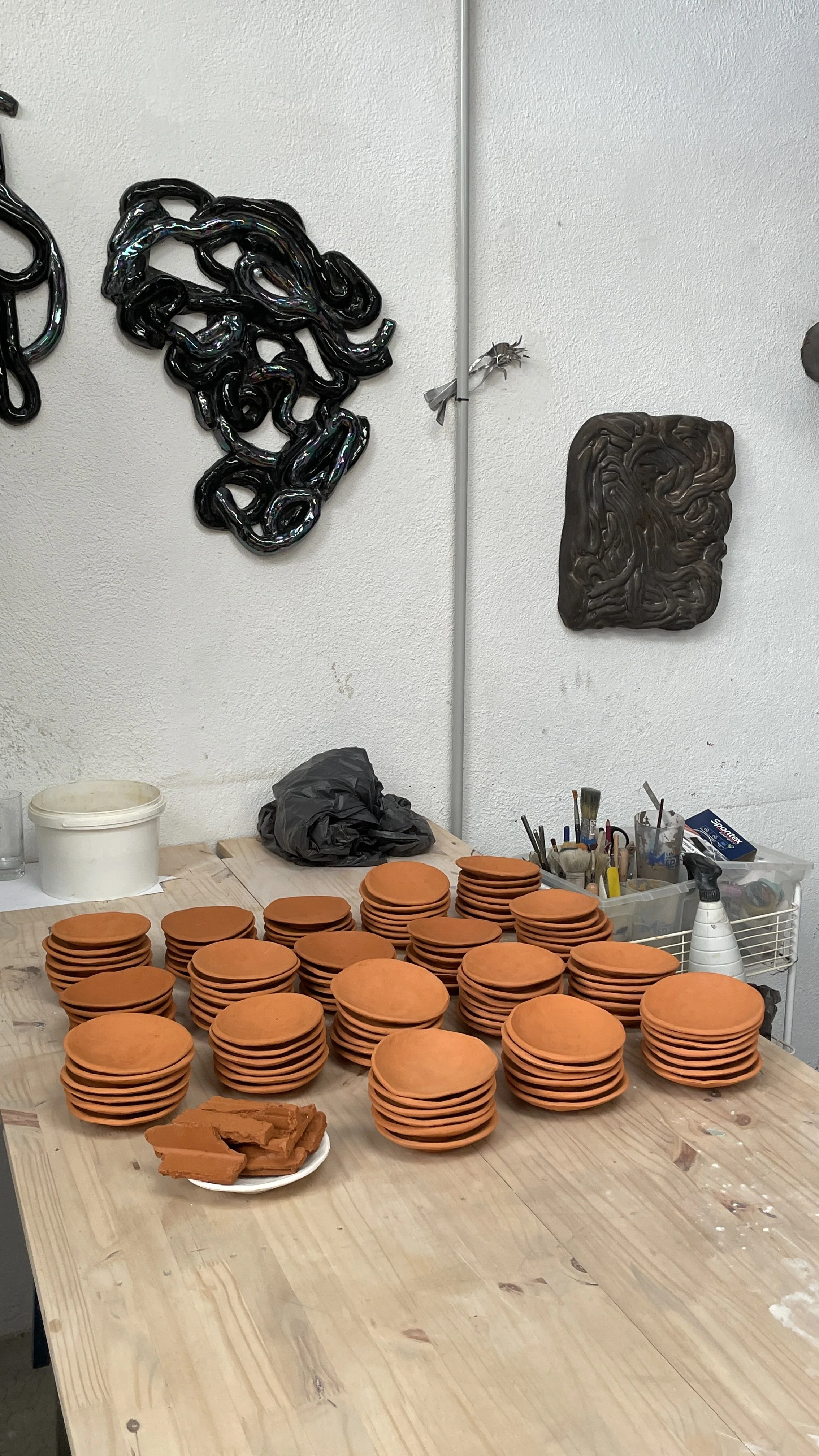
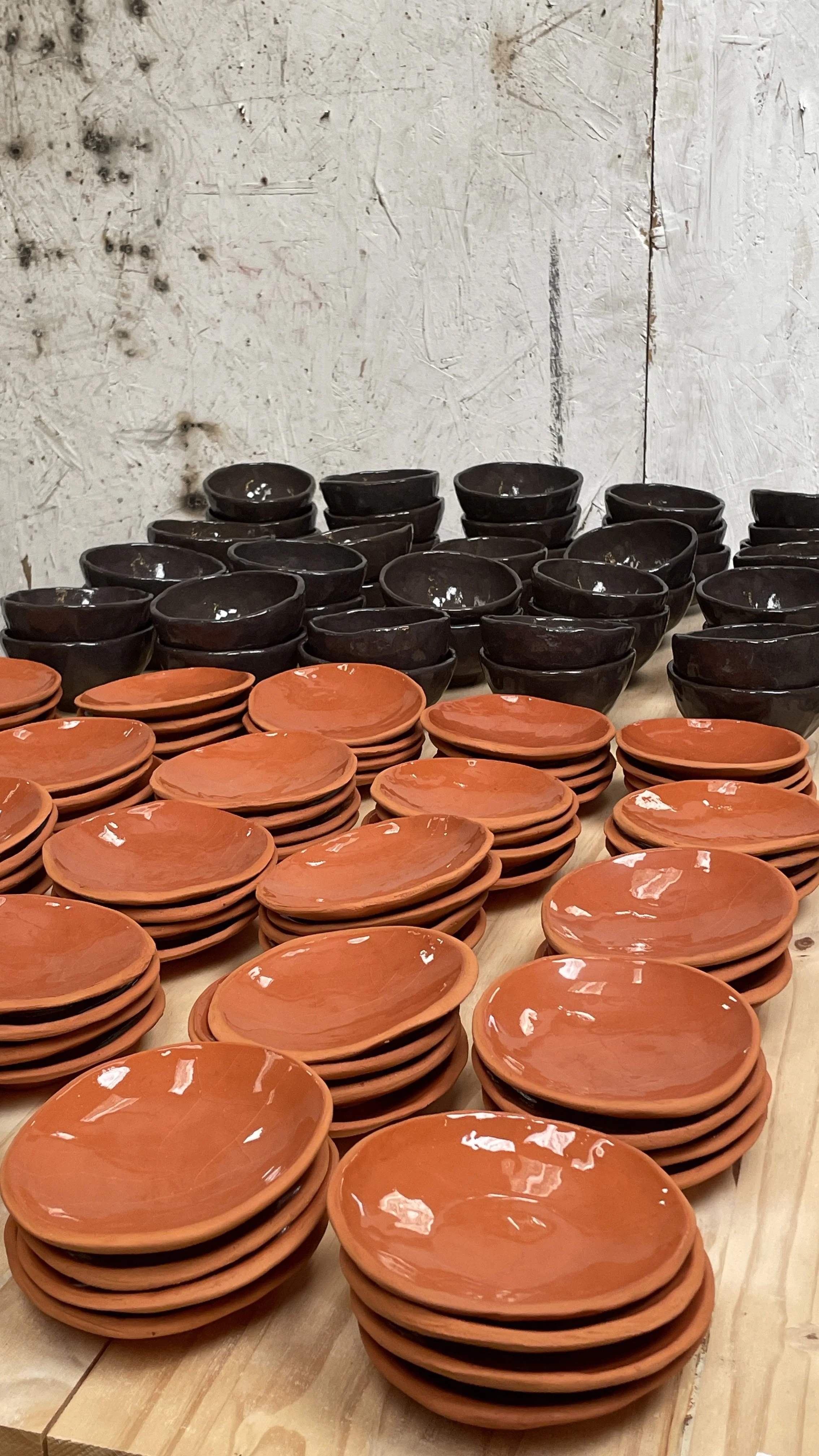
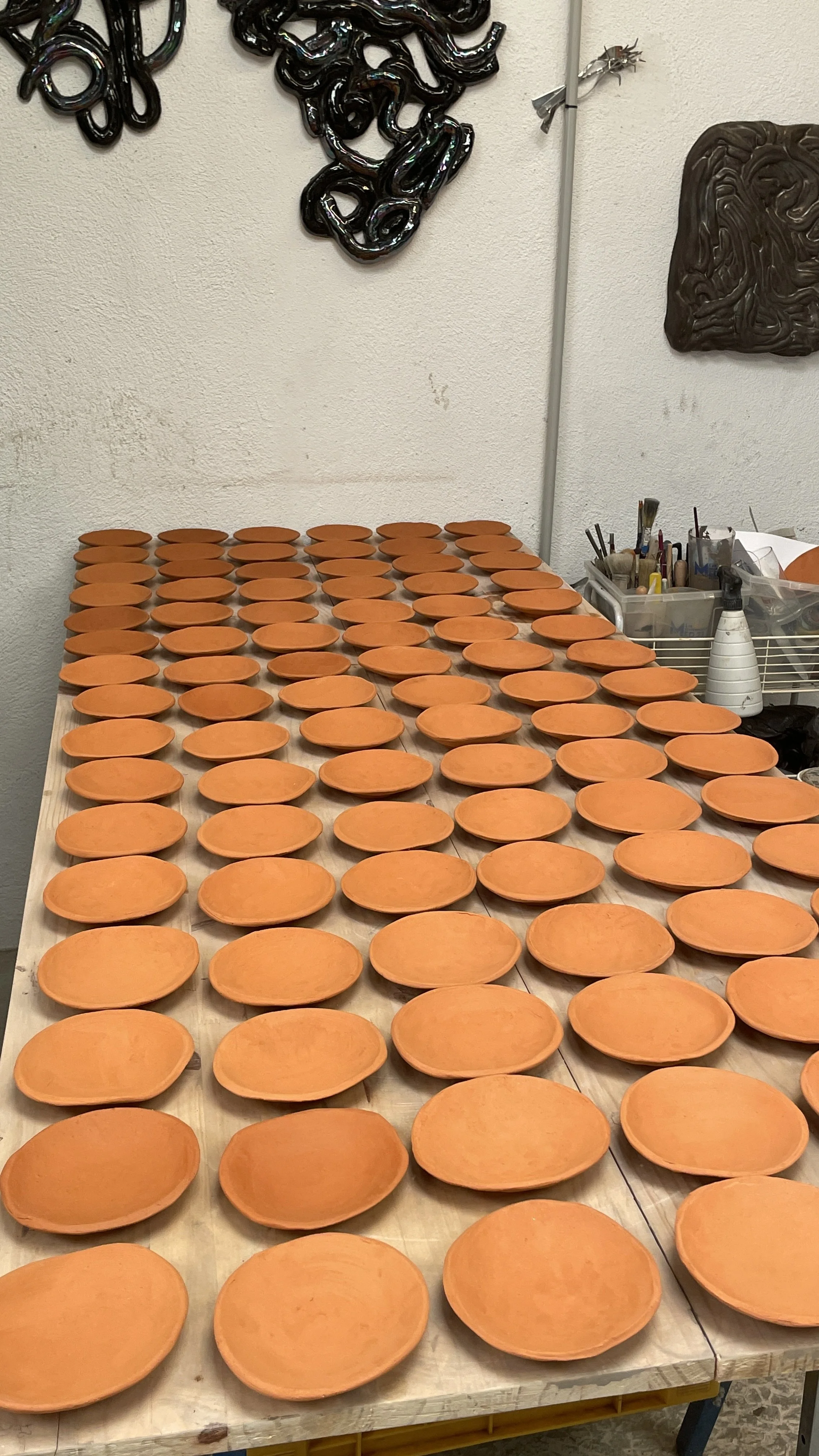
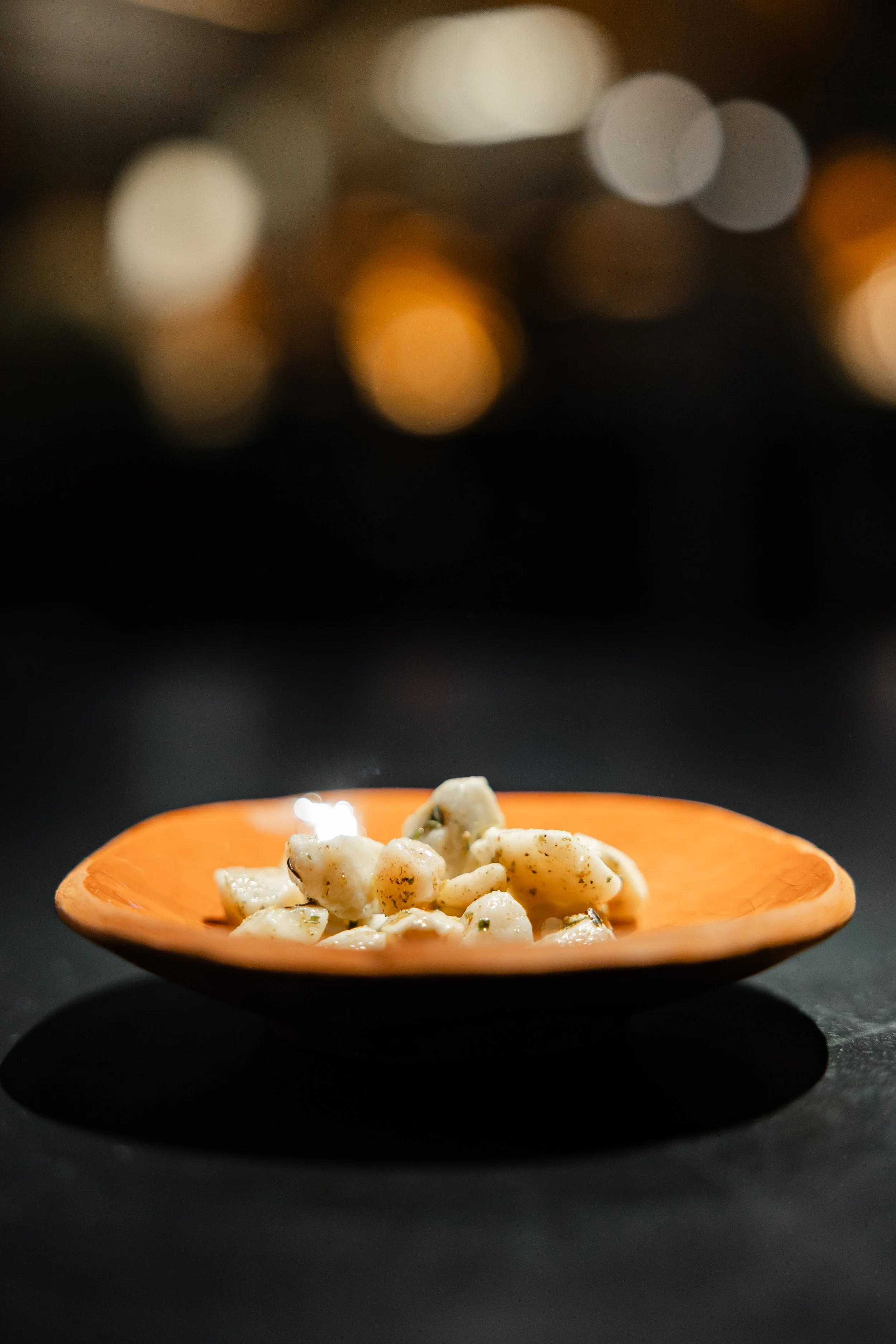
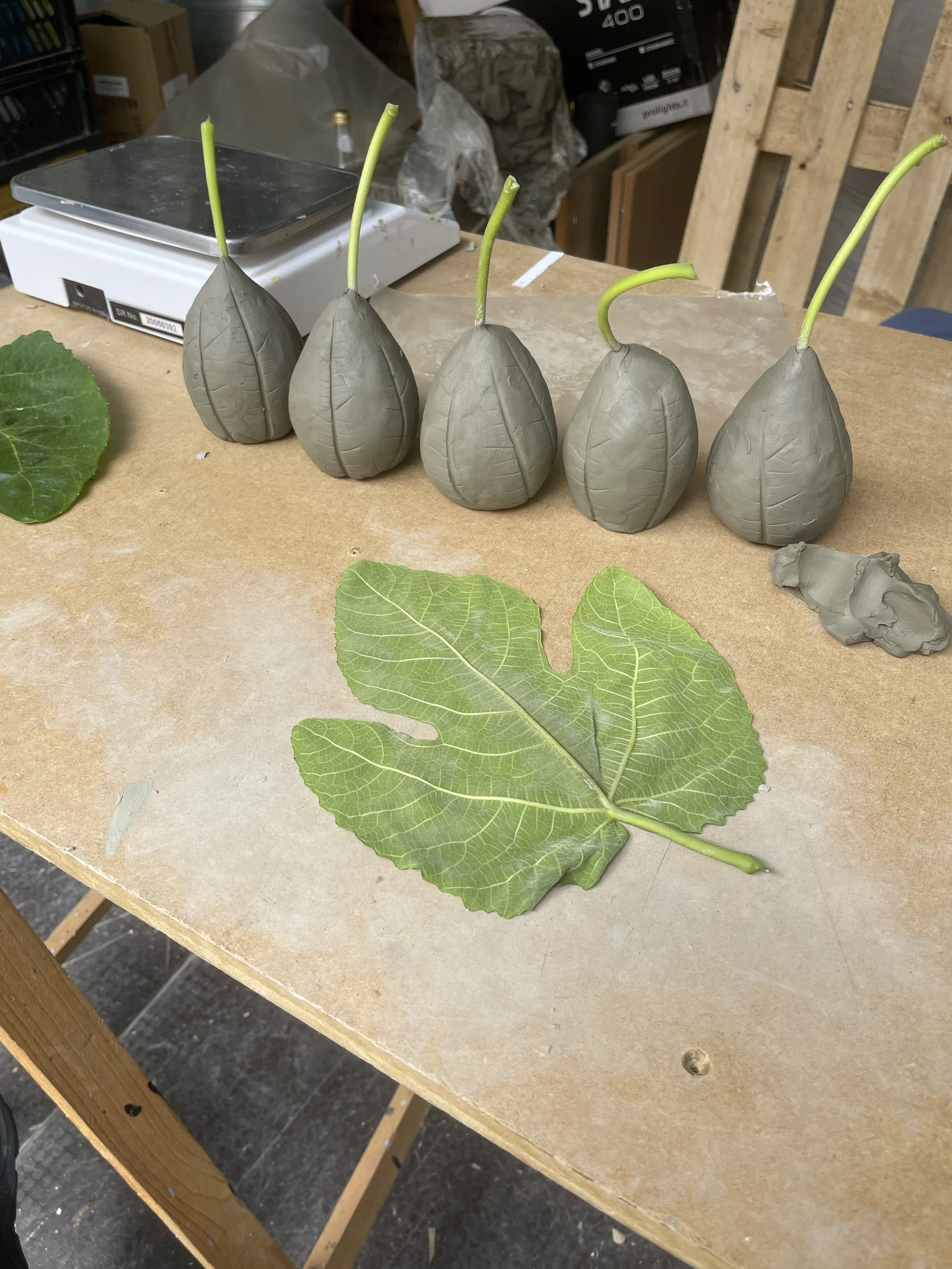
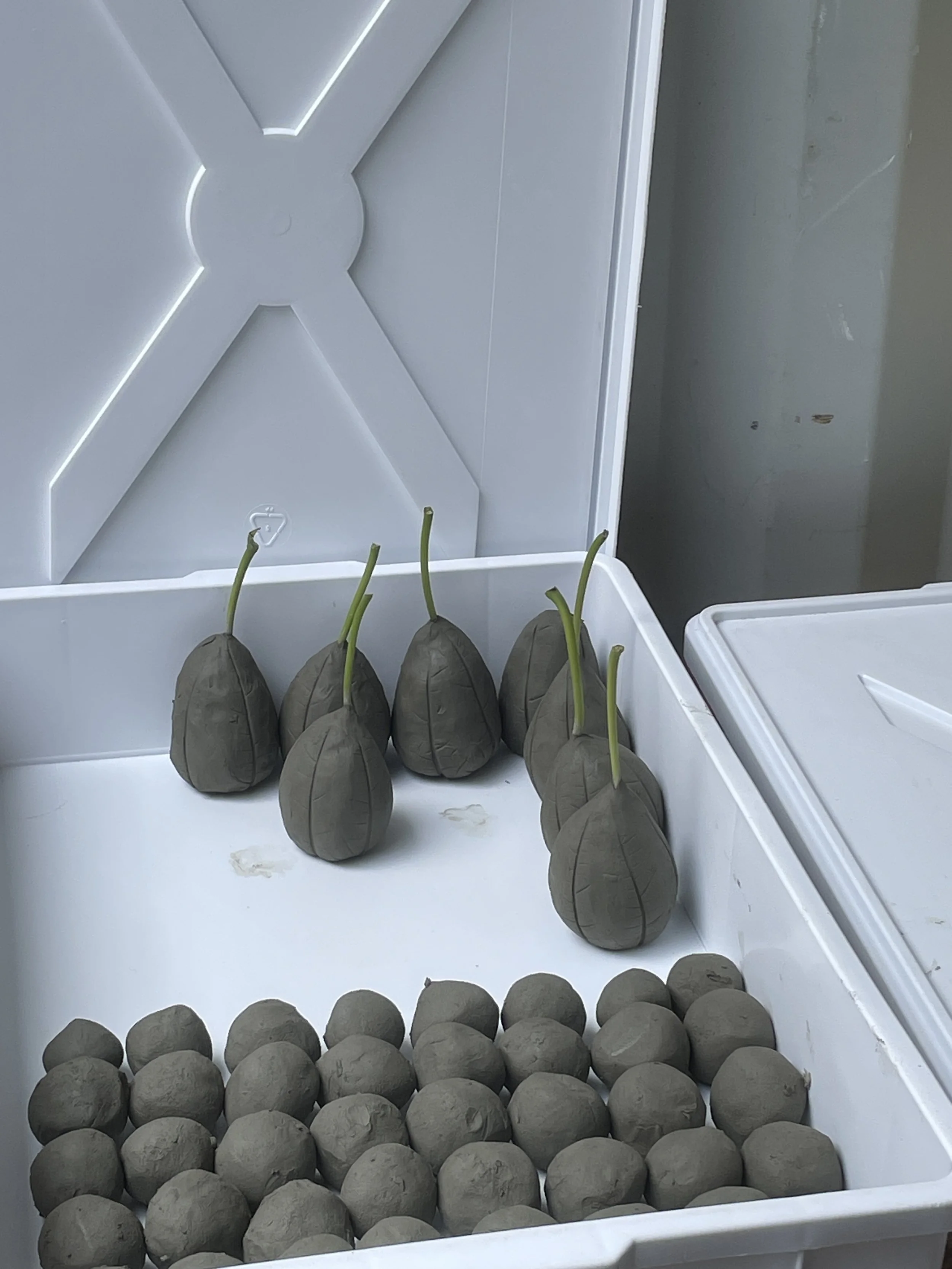
I shaped some tableware with foraged clay, we use bricks as a centre piece, cooked a earth focus diner, offered clay to play with, we sucked on rocks, and broke open clay baked fruits.
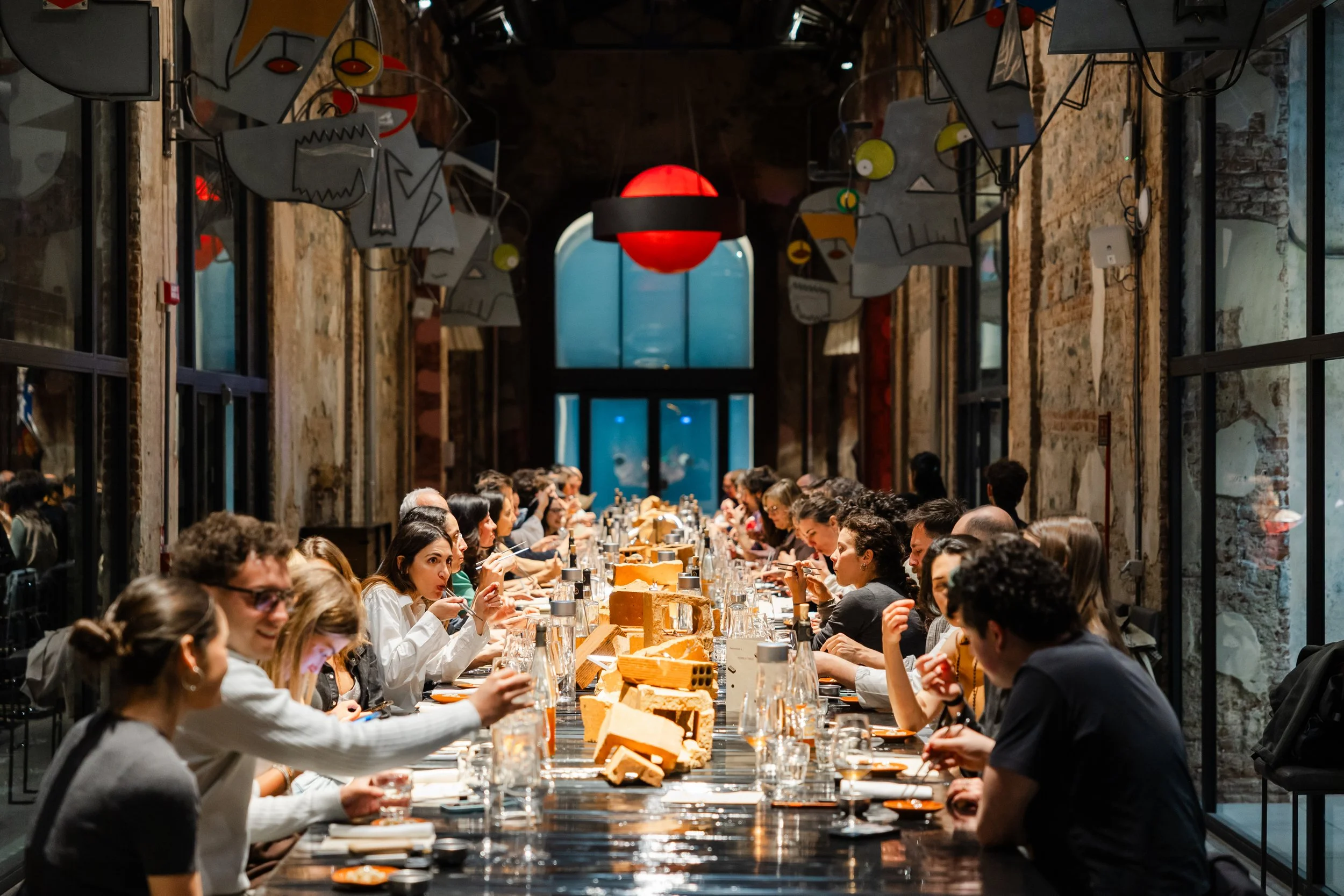
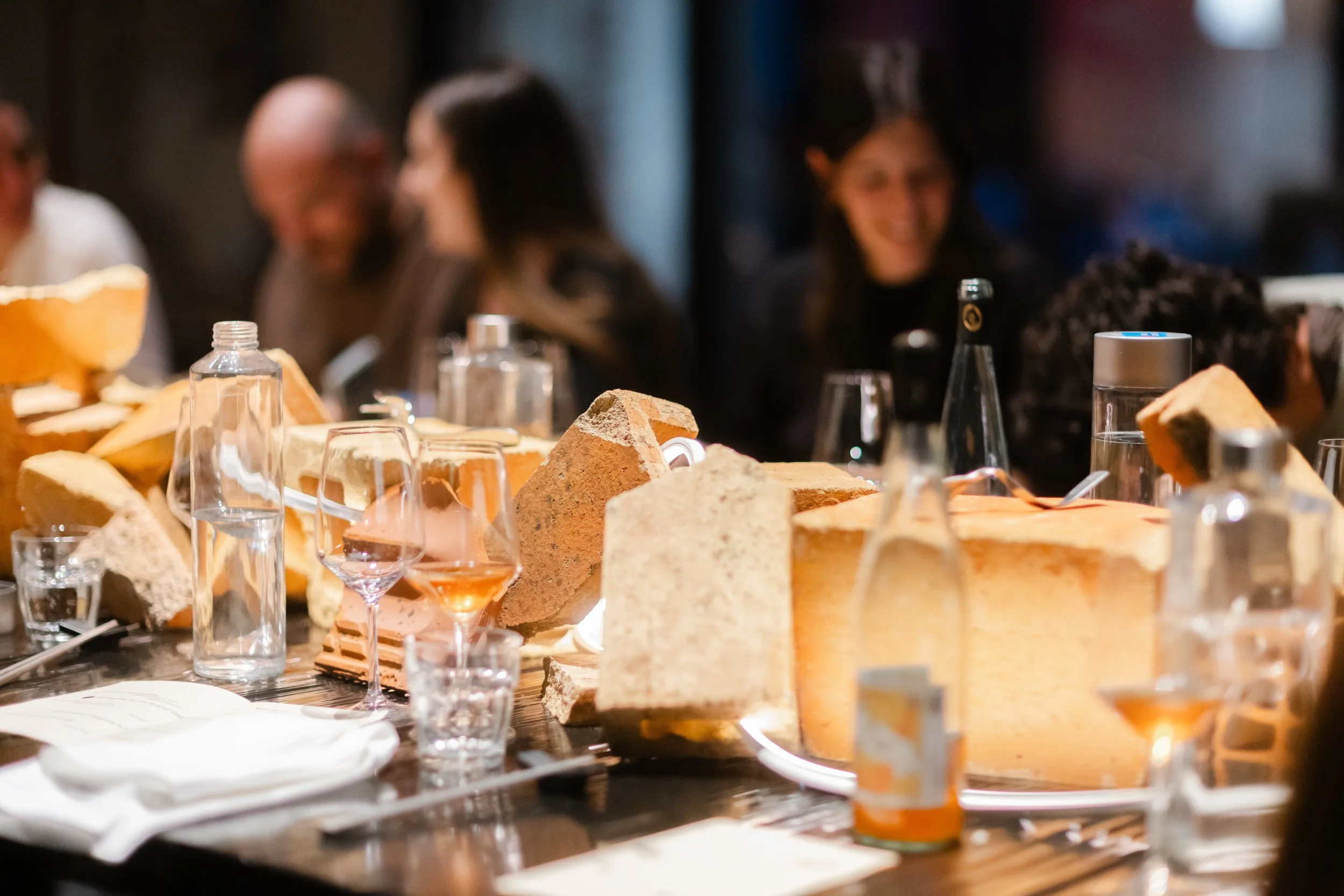
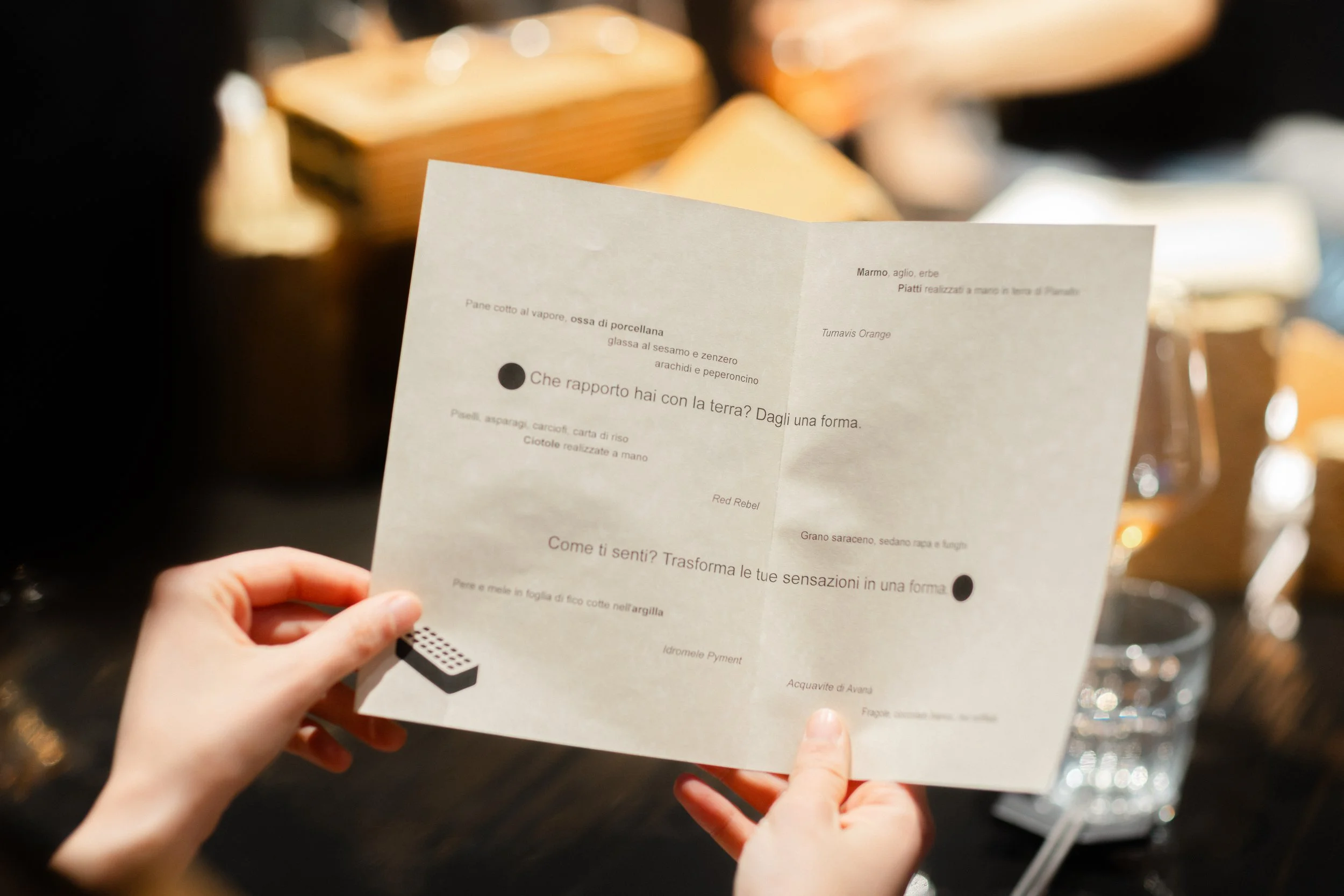
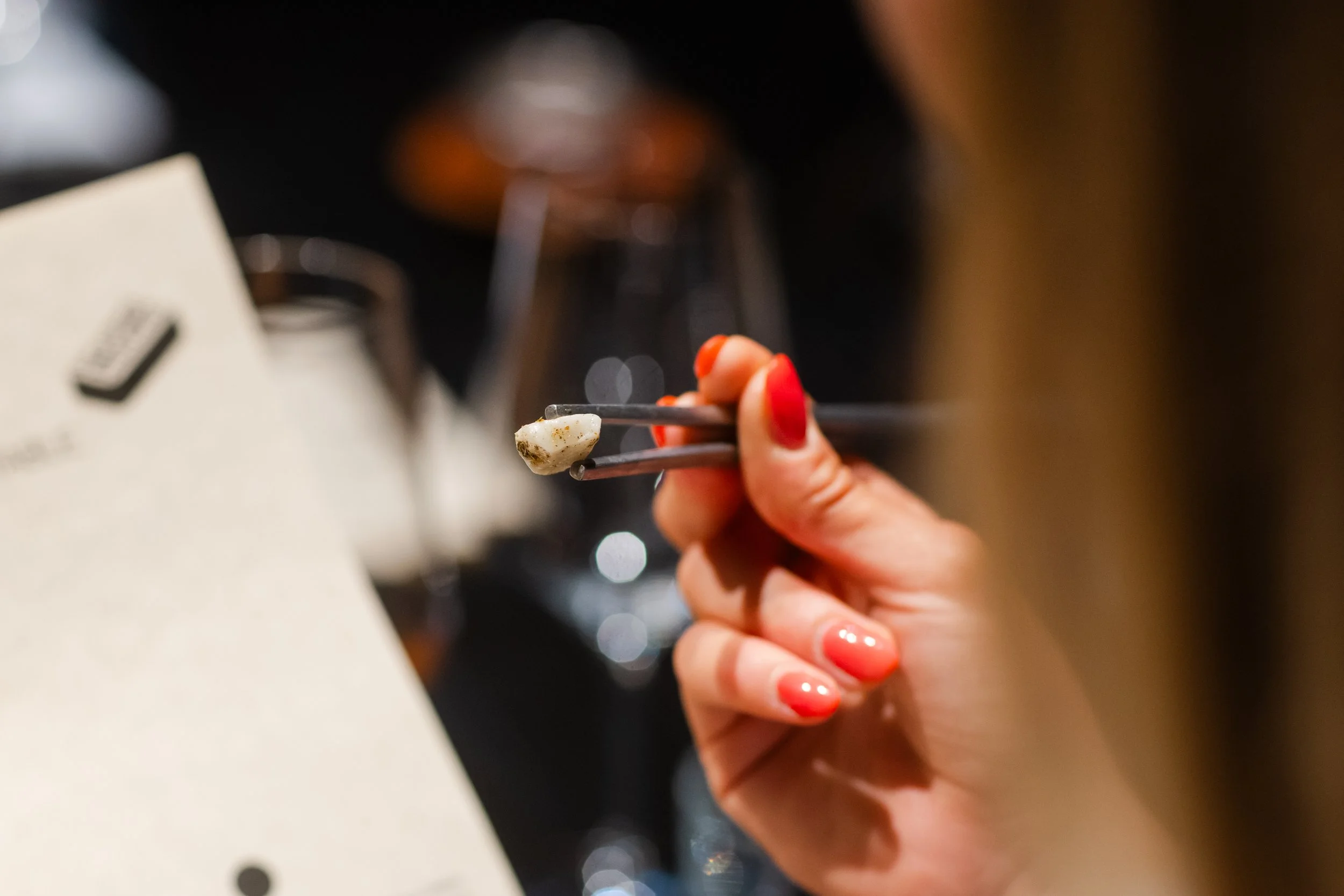
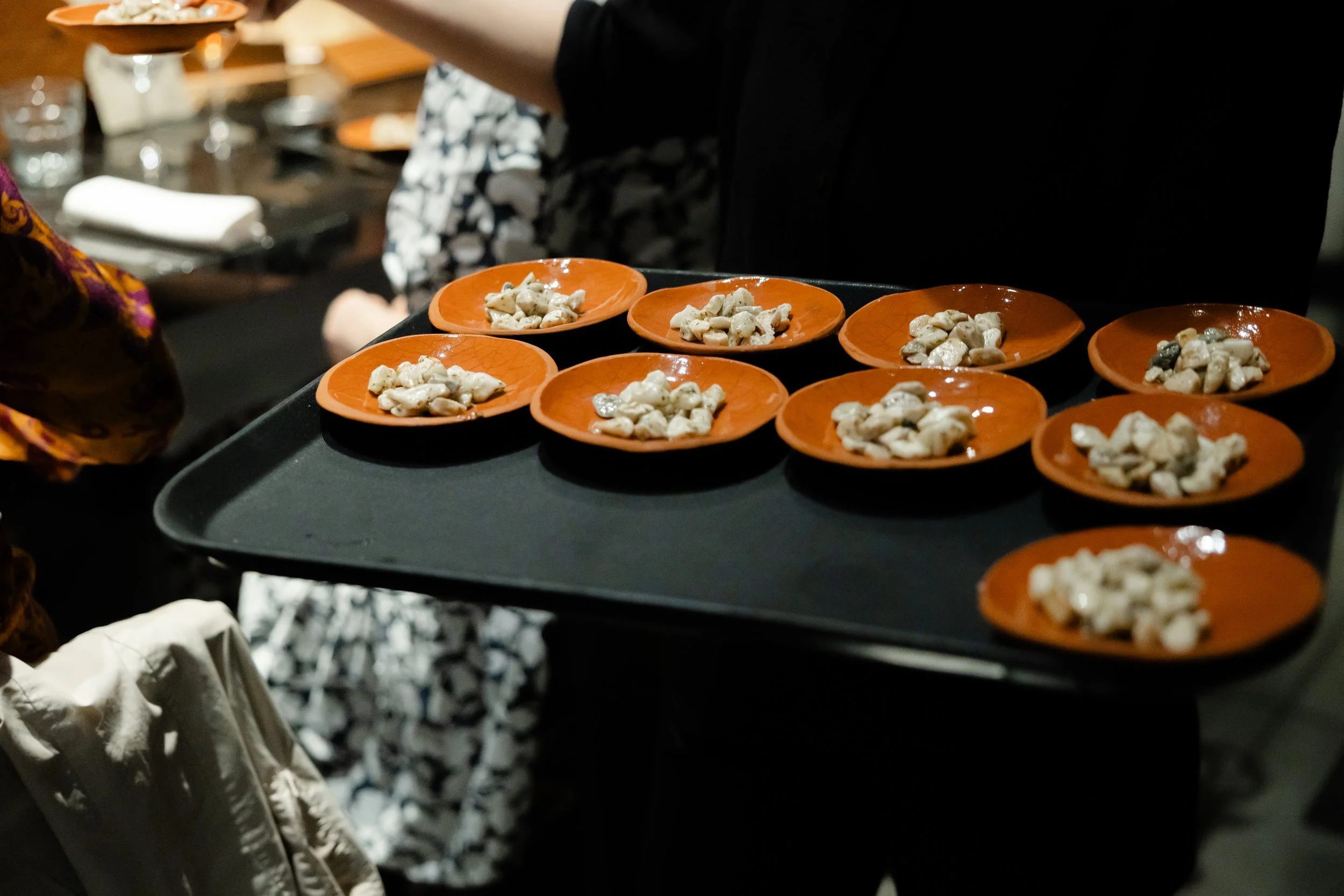
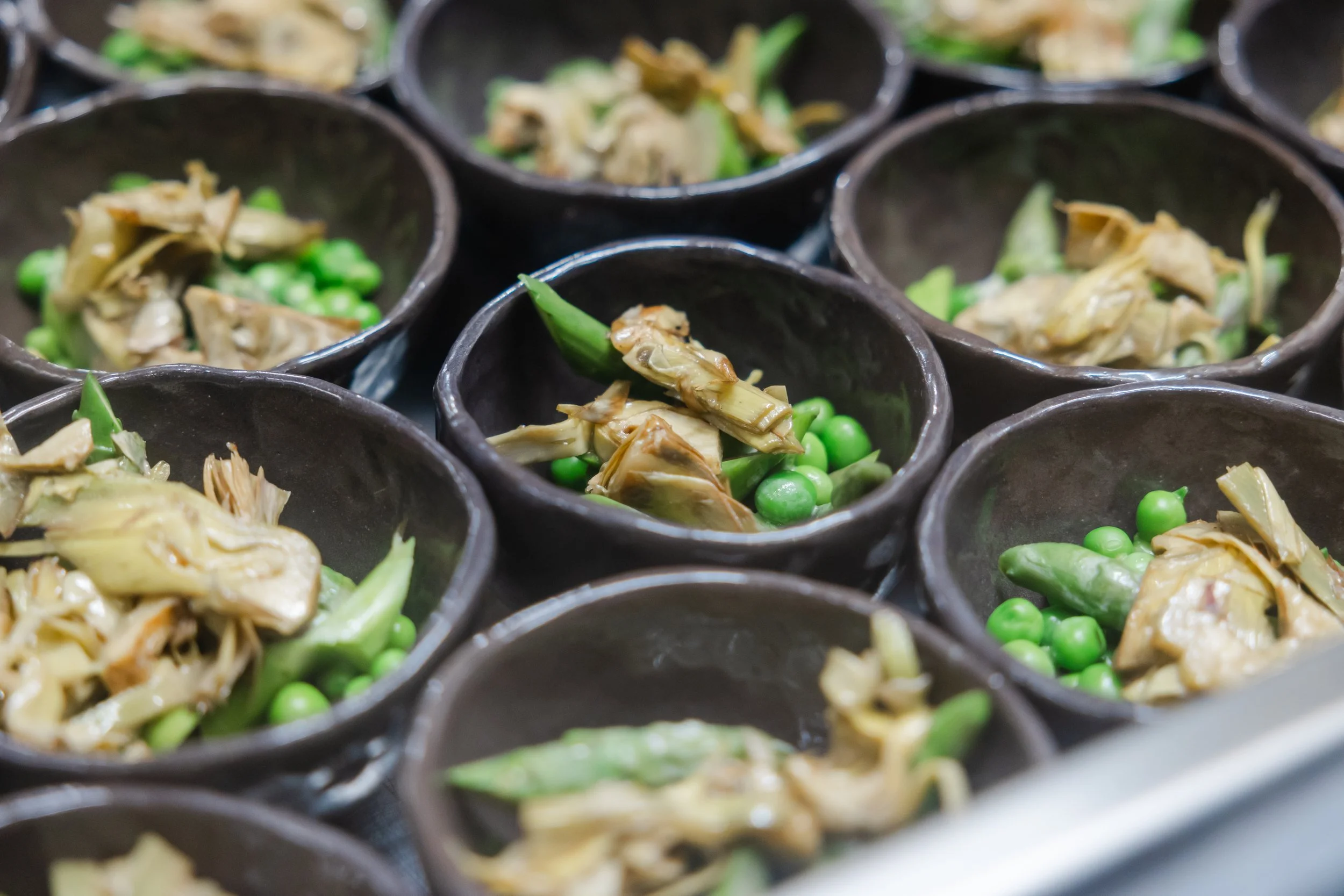
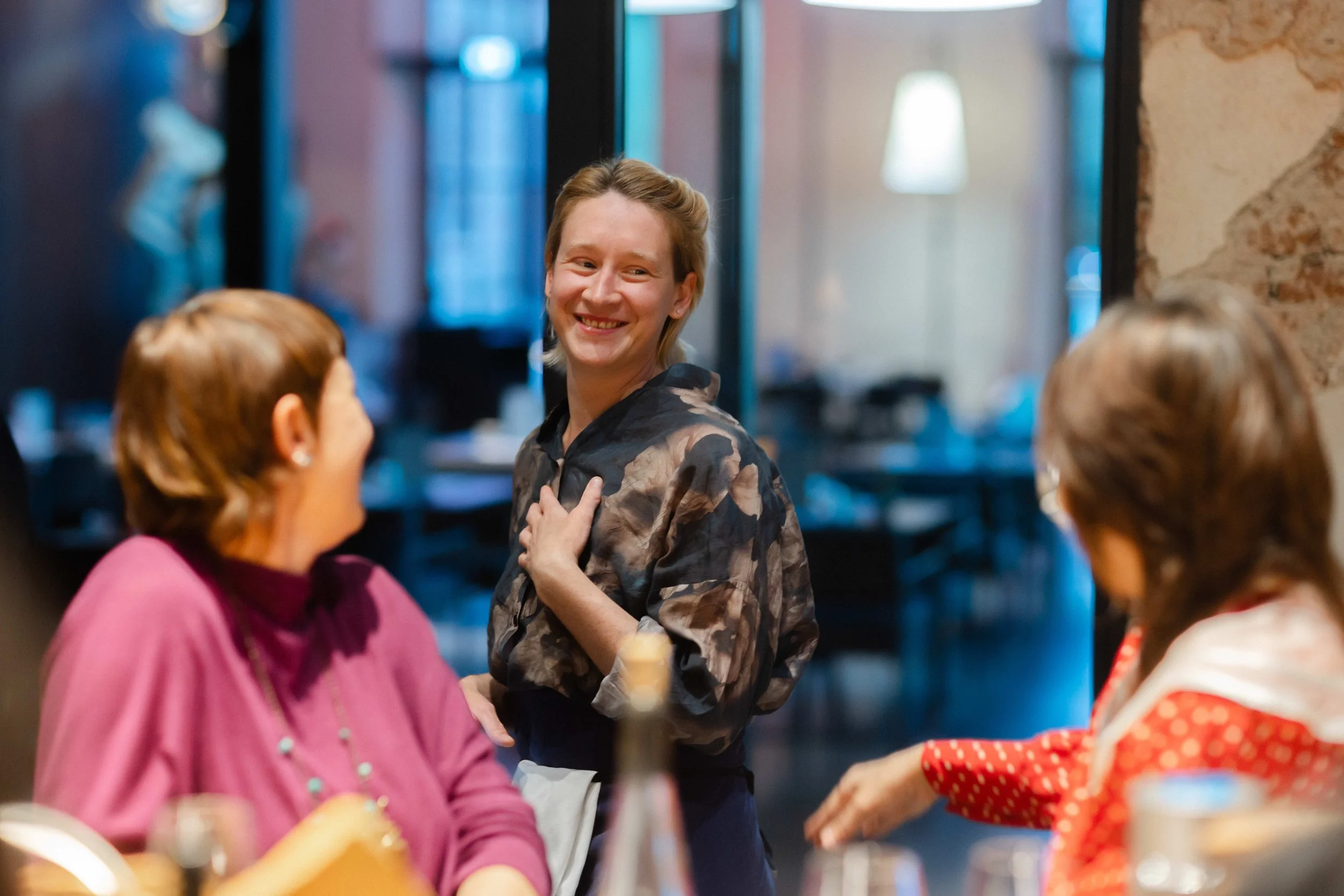
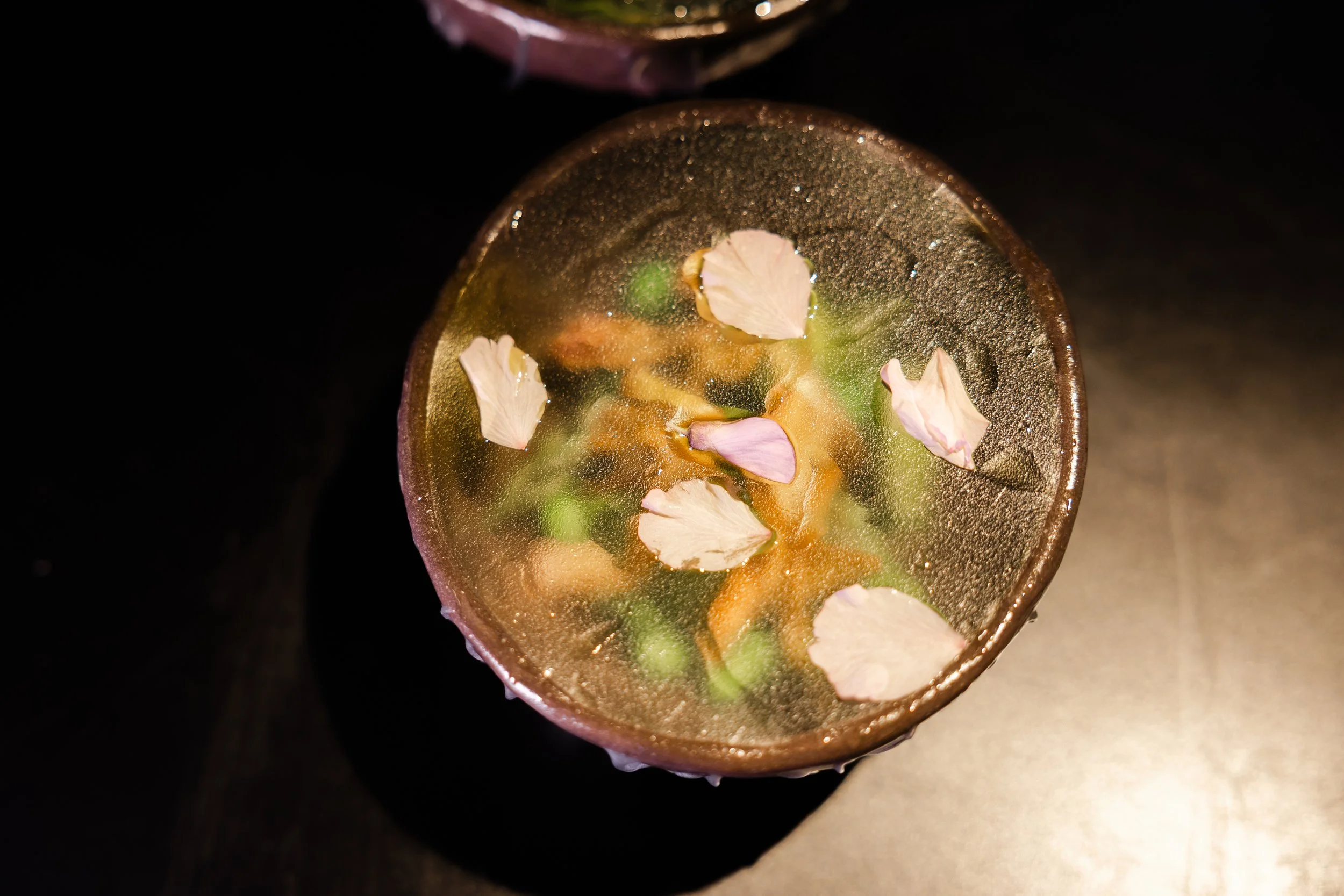
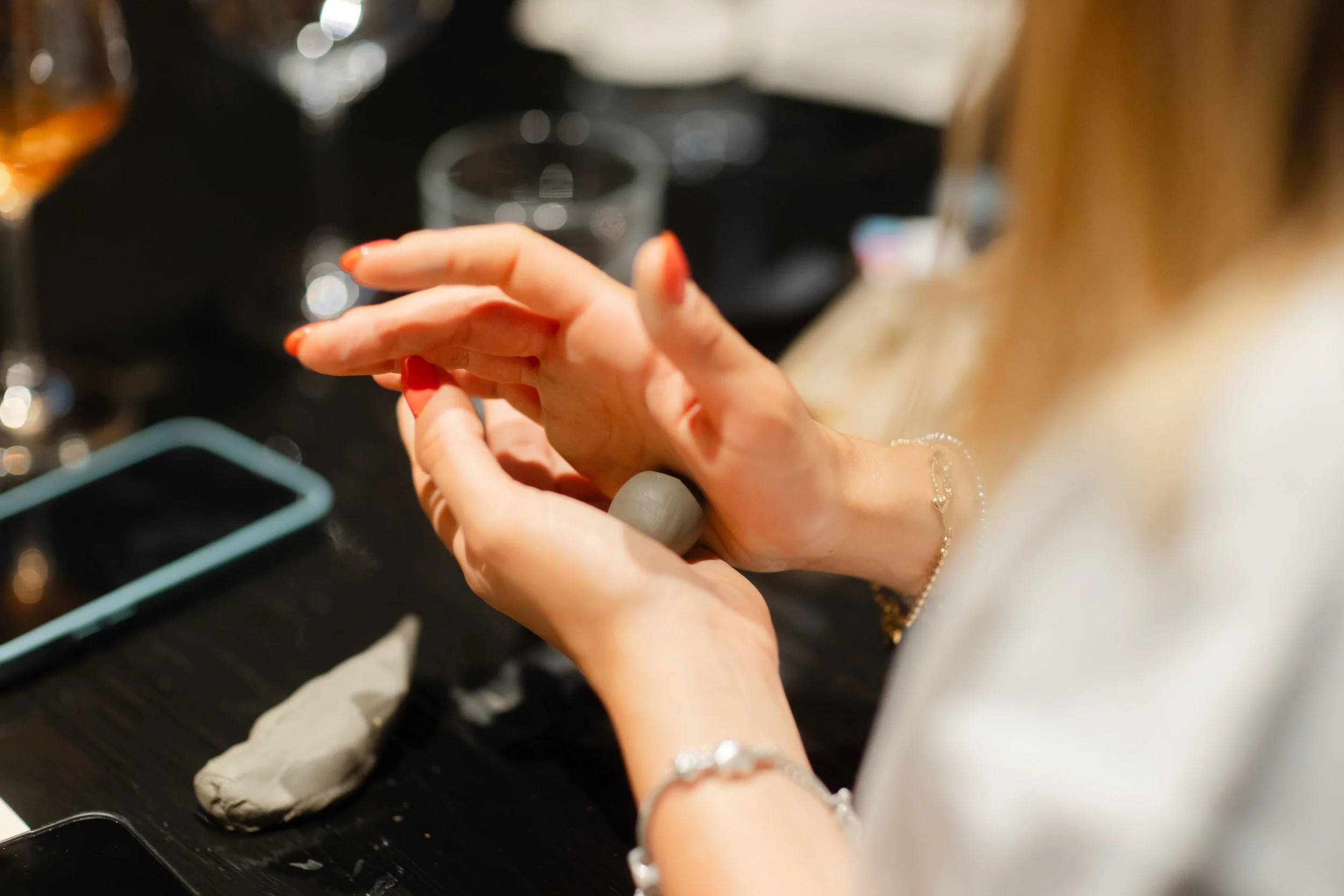
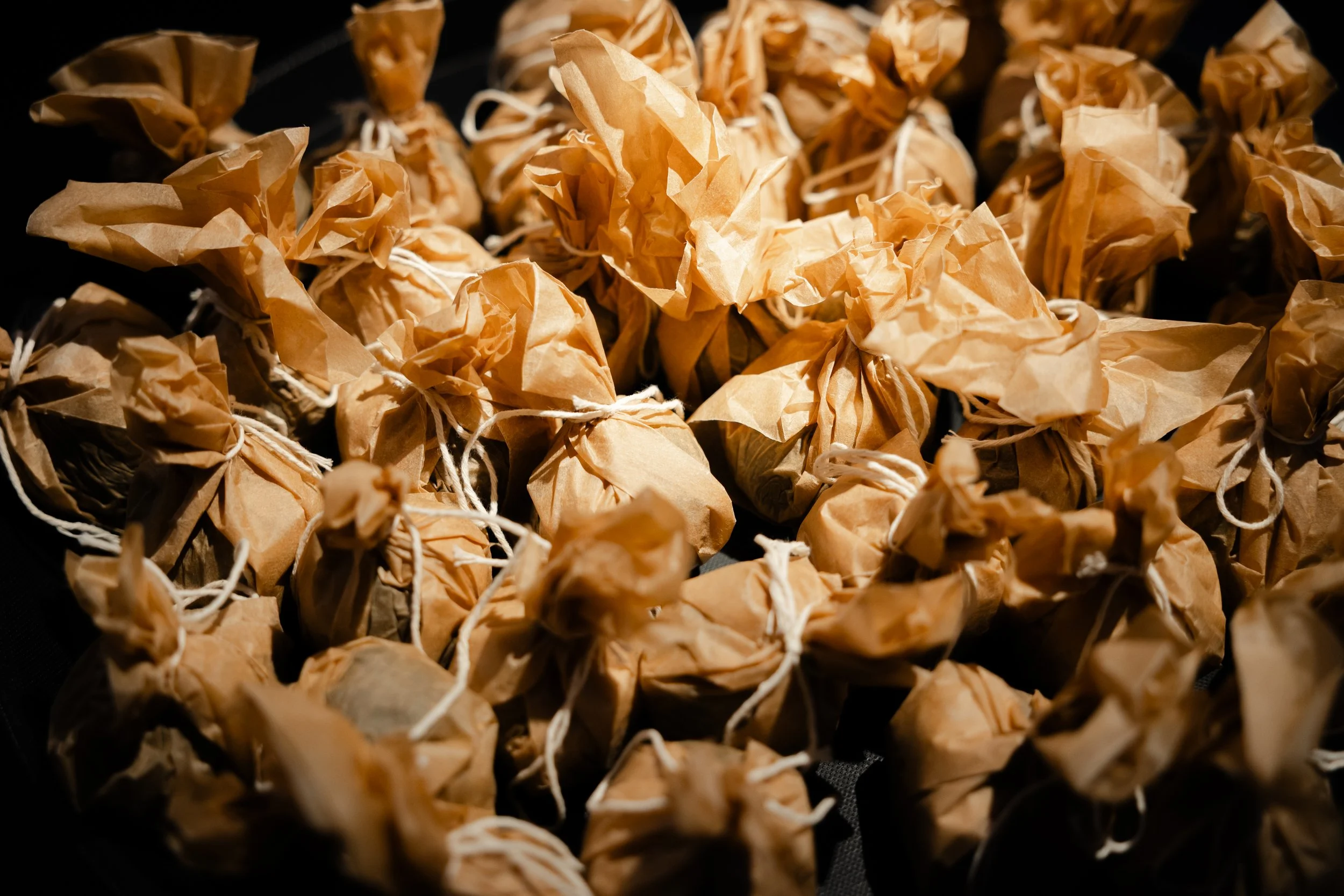
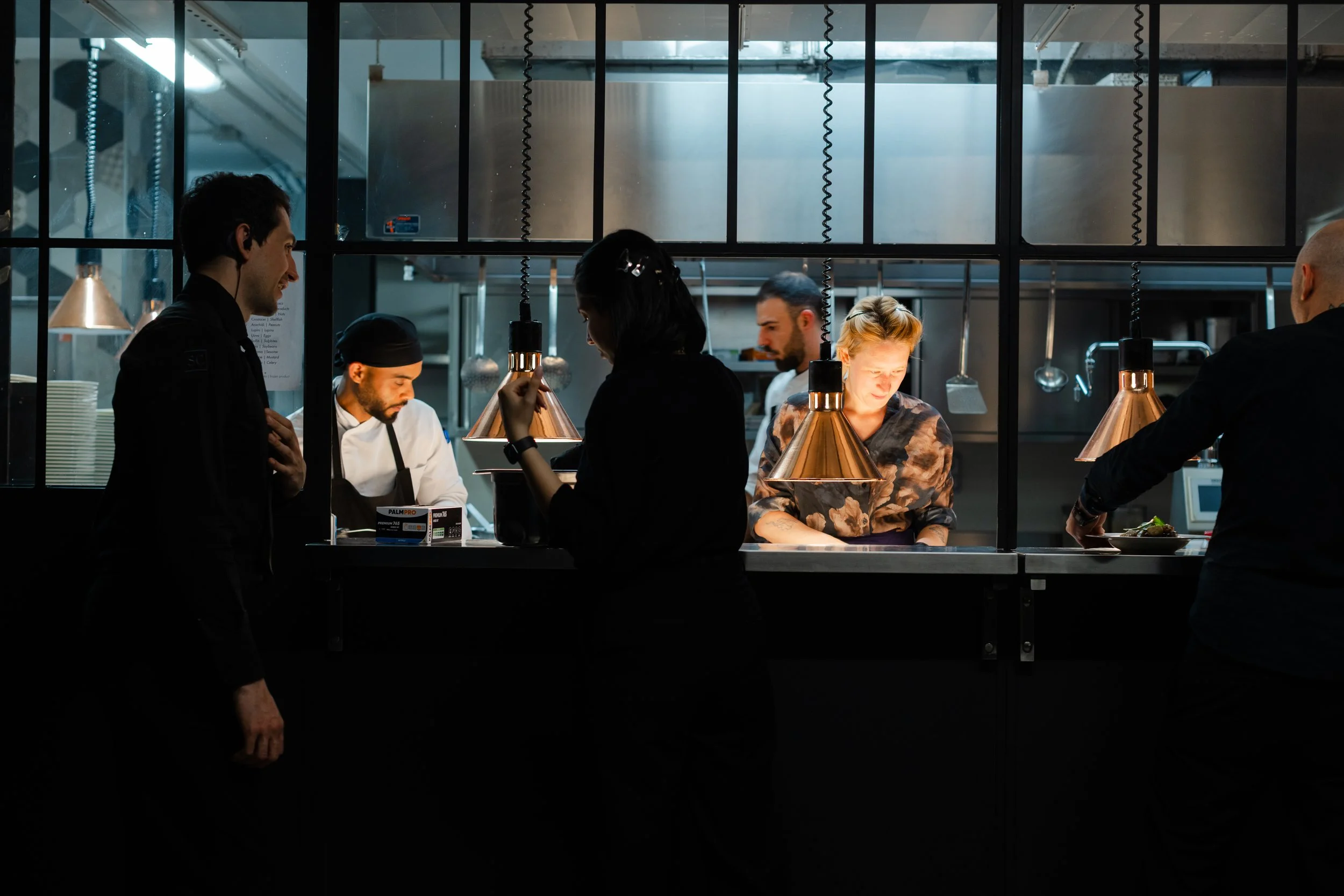
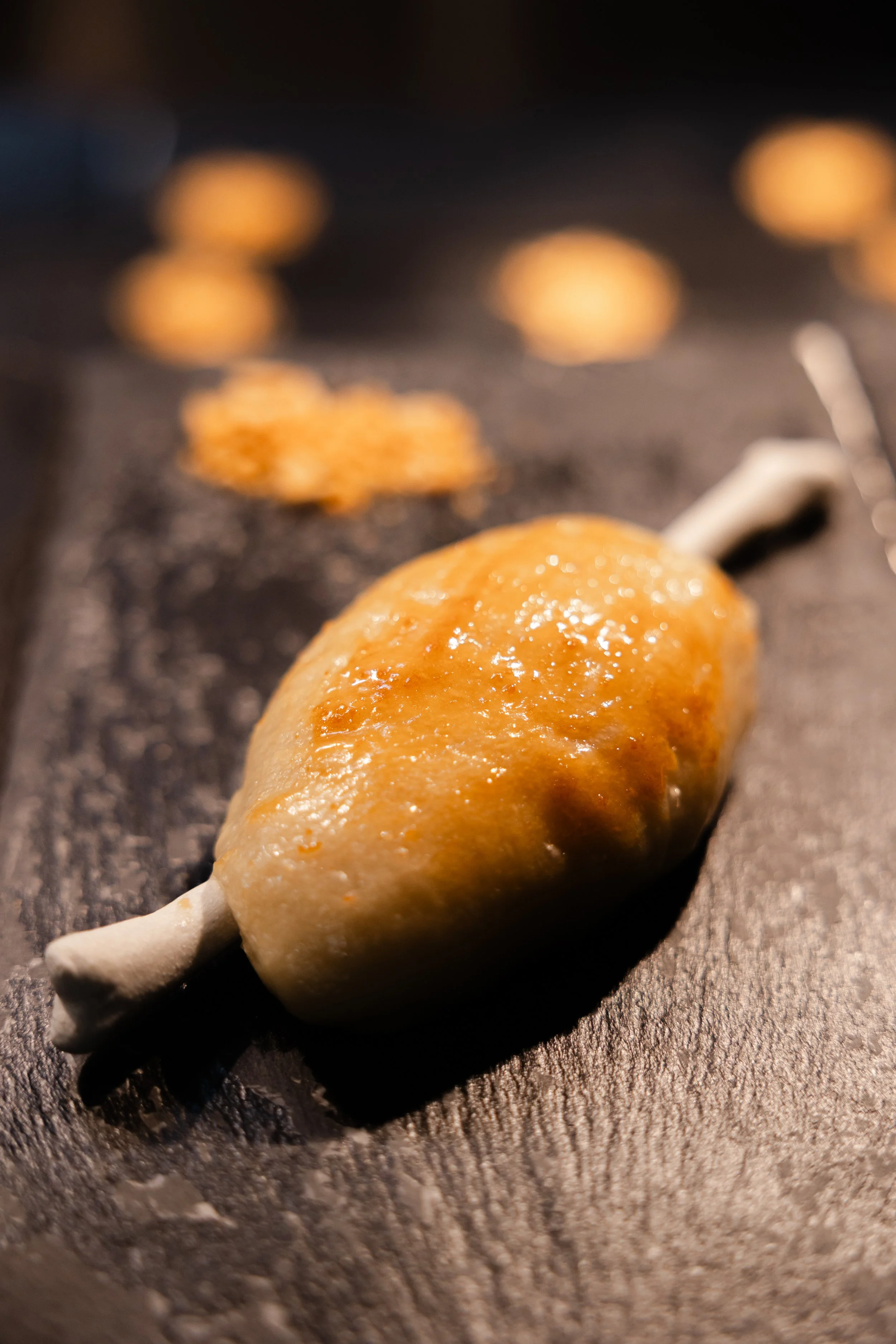
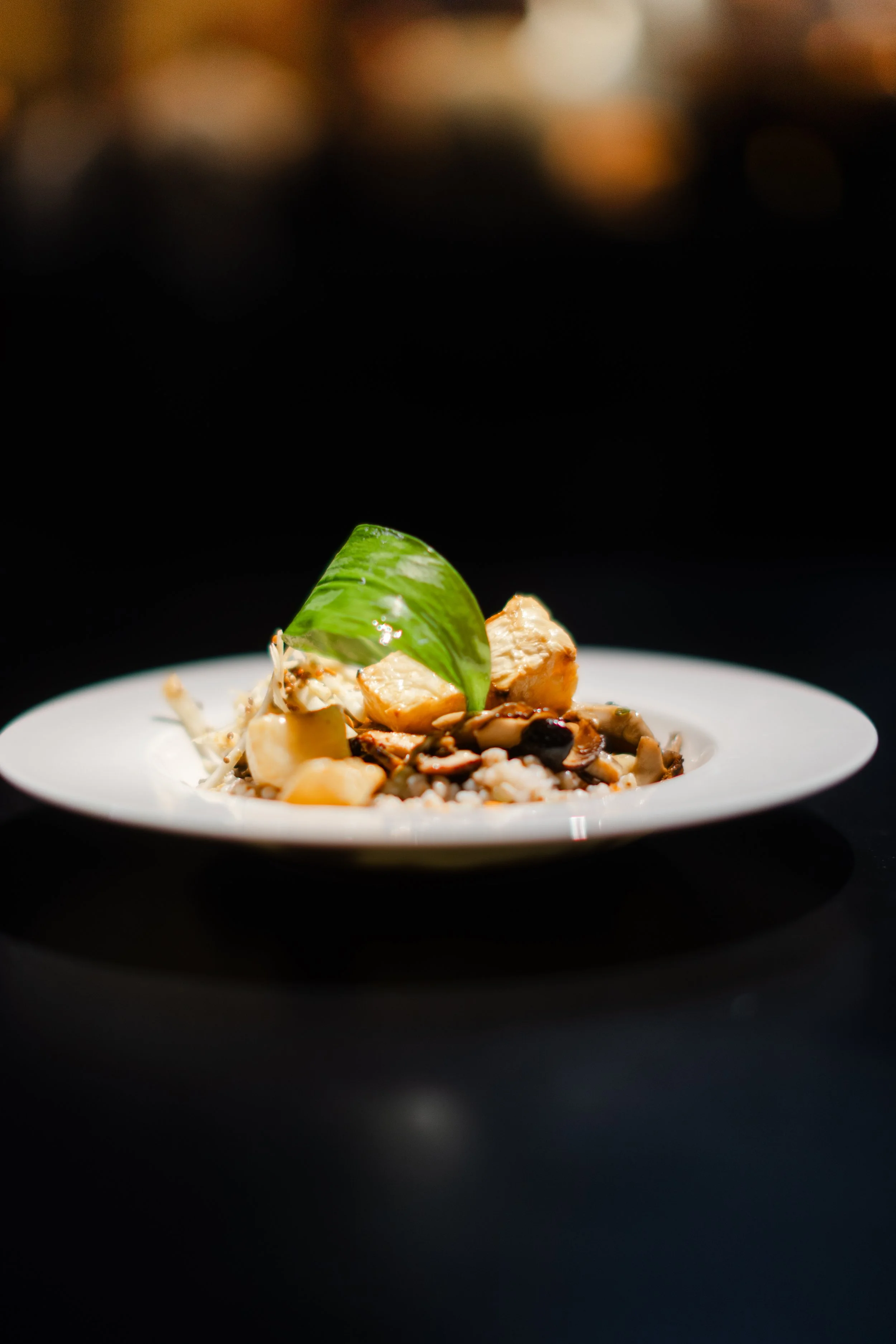
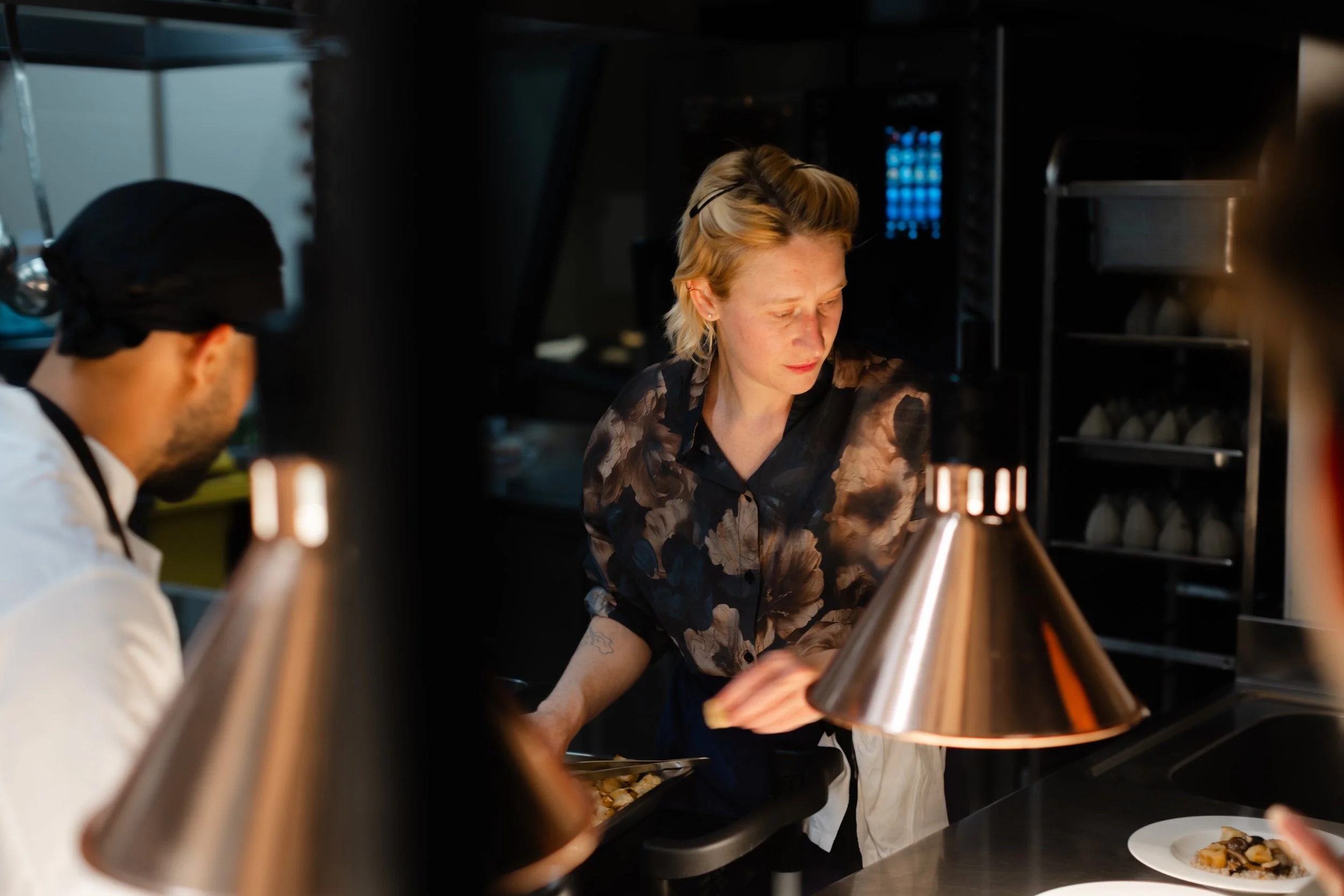
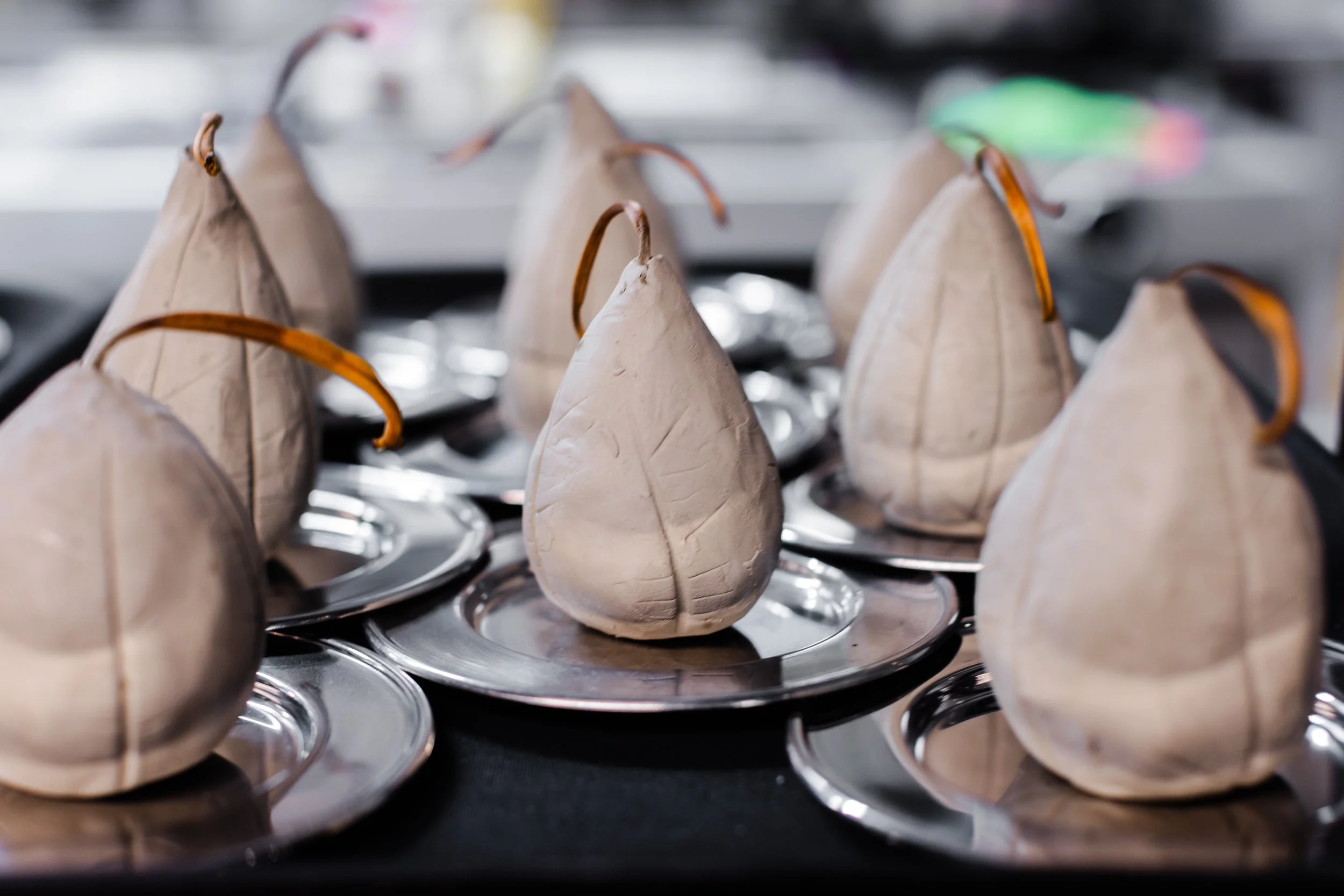
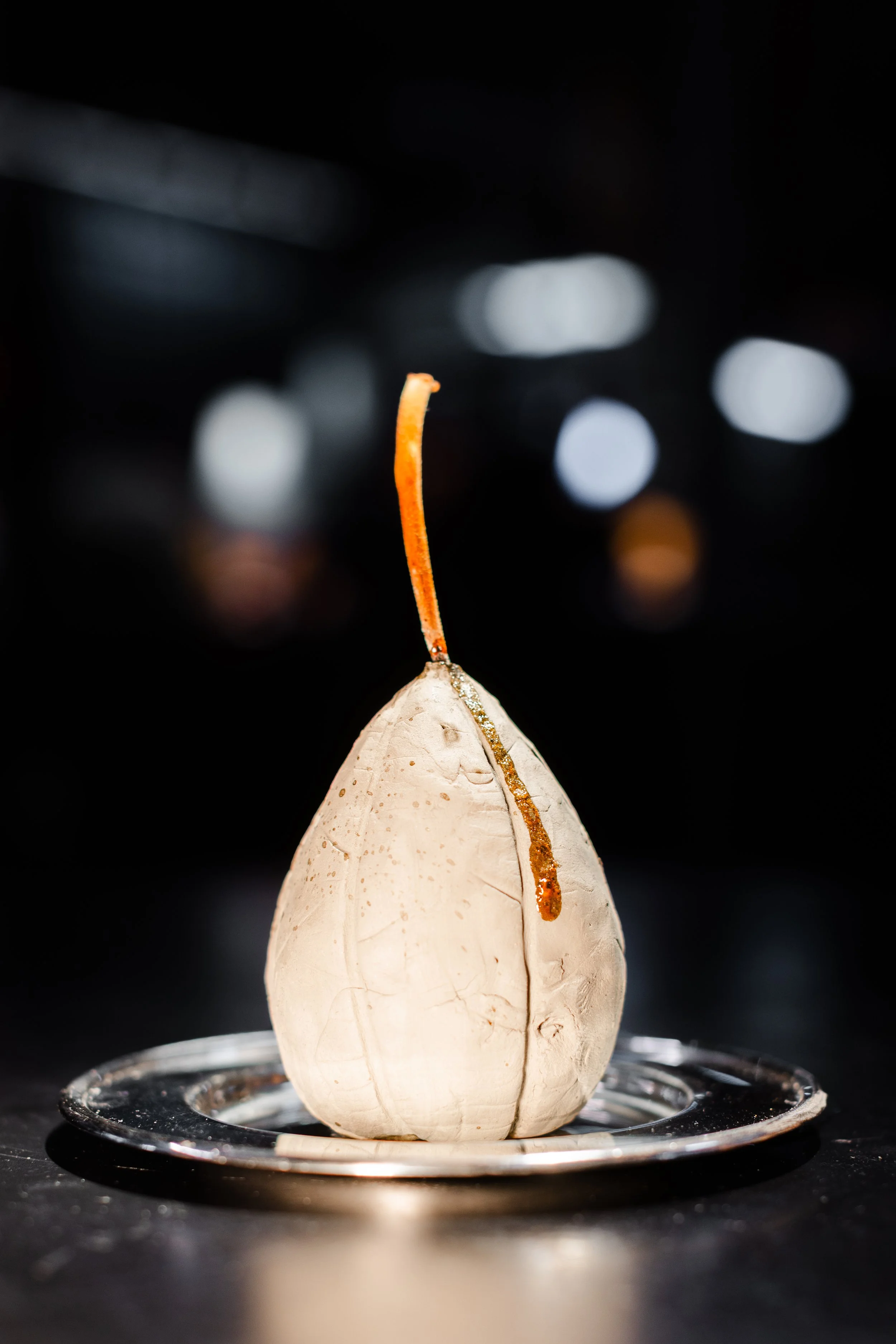
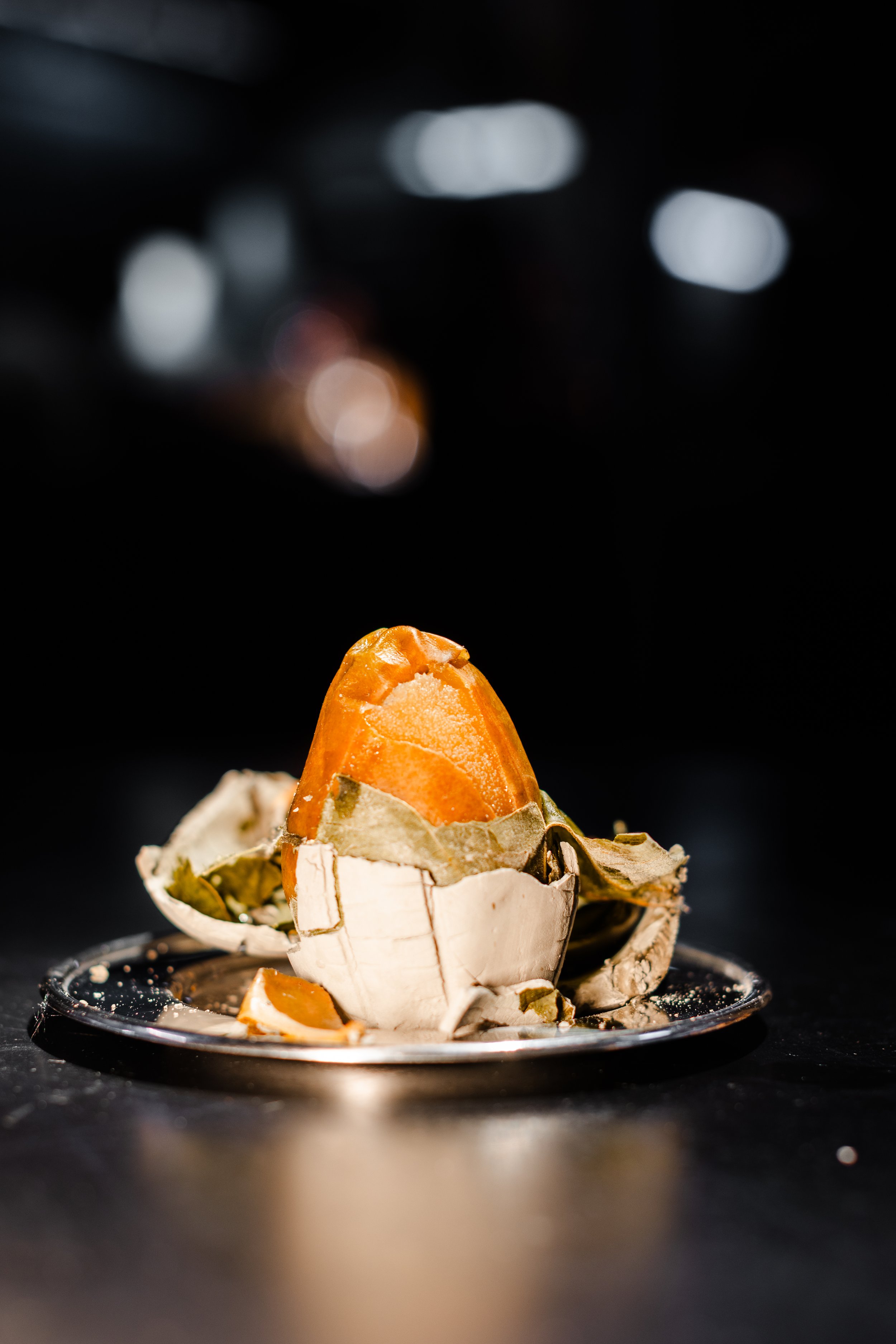
Working with local and seasonal ingredients, the dinner reflects on how taste is formed not only in the body, but also through memory, habit, and perception. From peel to root, from soil to plate, each course engages with the earth as both origin and material.
Guests are invited to sit, taste, and reconsider: where does food begin, and where does it end?
🧱 Stones, seasoned and served warm.
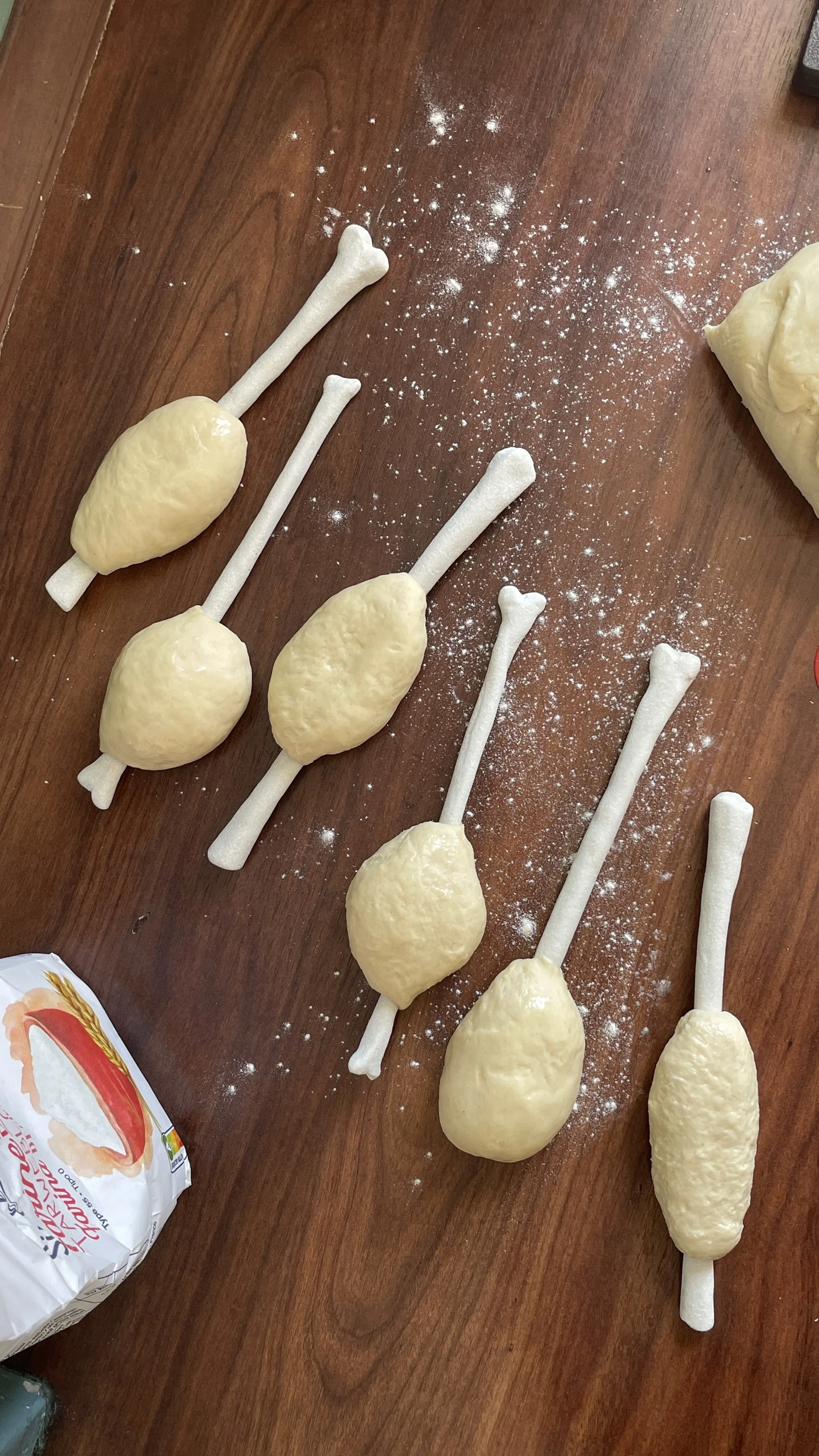
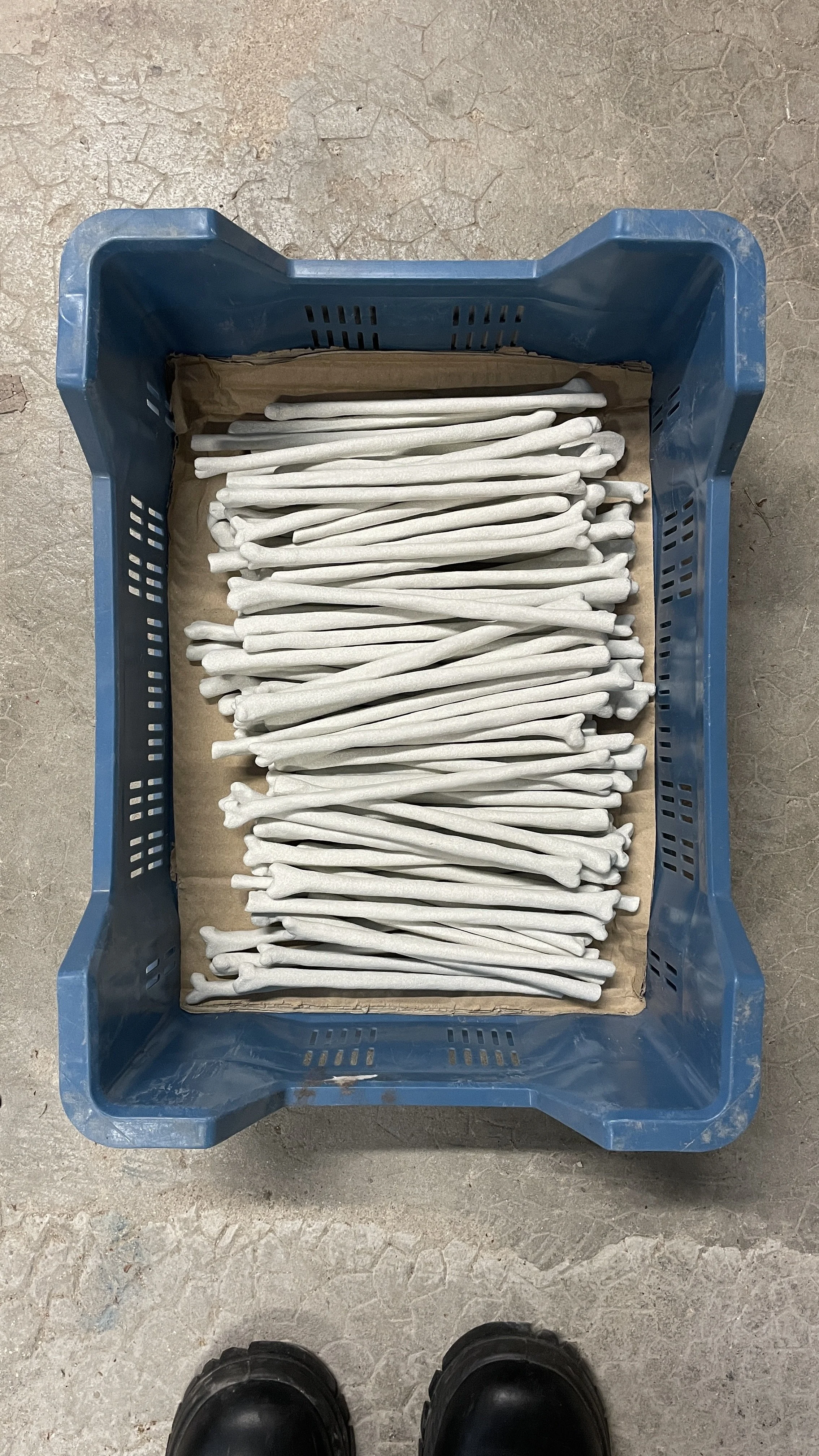
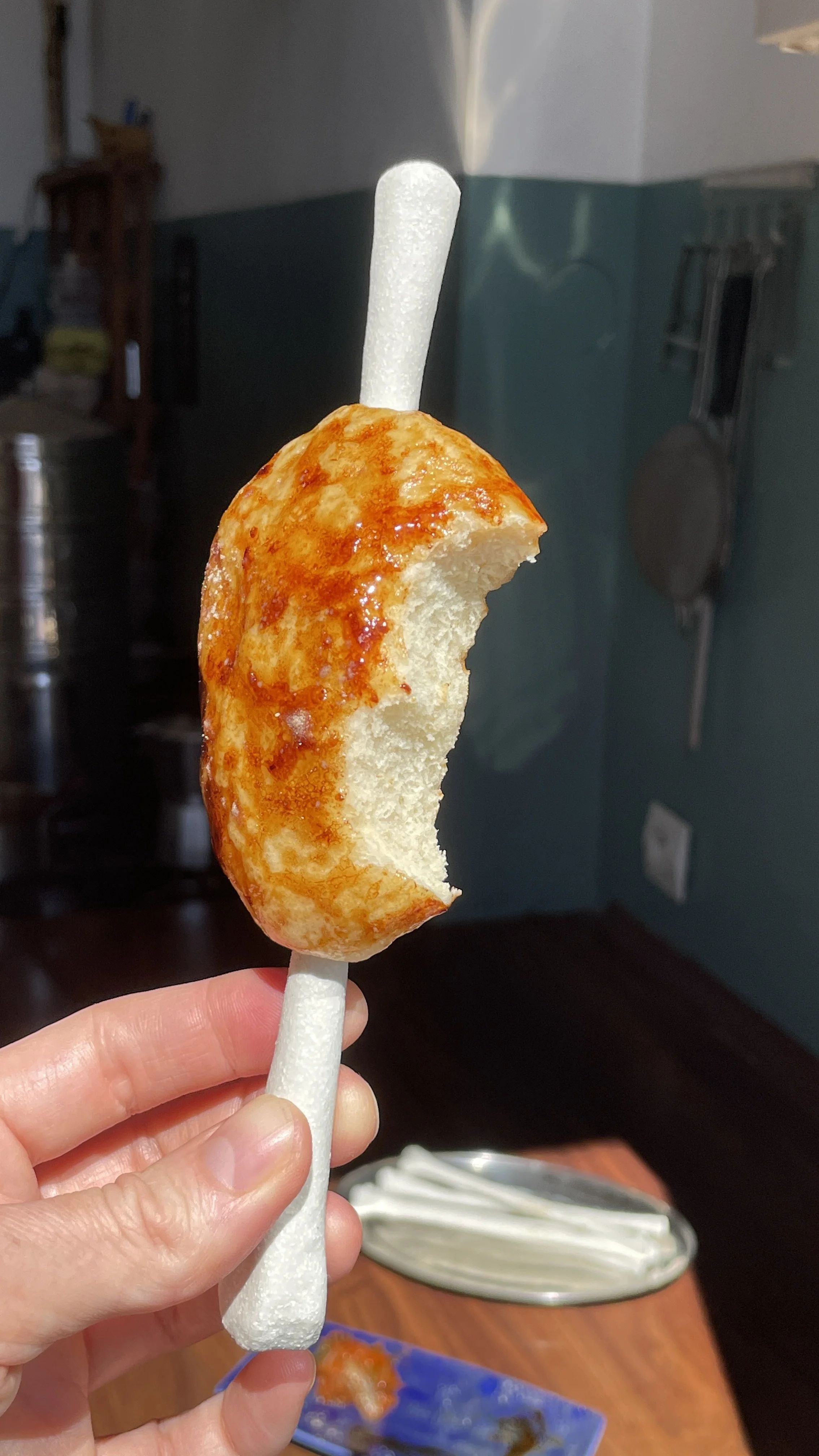
🧱 Bread steamed on a porcelain Bone, soy and ginger glaze, peanut and chili dip.
🧱 Peas, Asparagus and Artichoke, served in a handmade bowl and covered by rice paper.
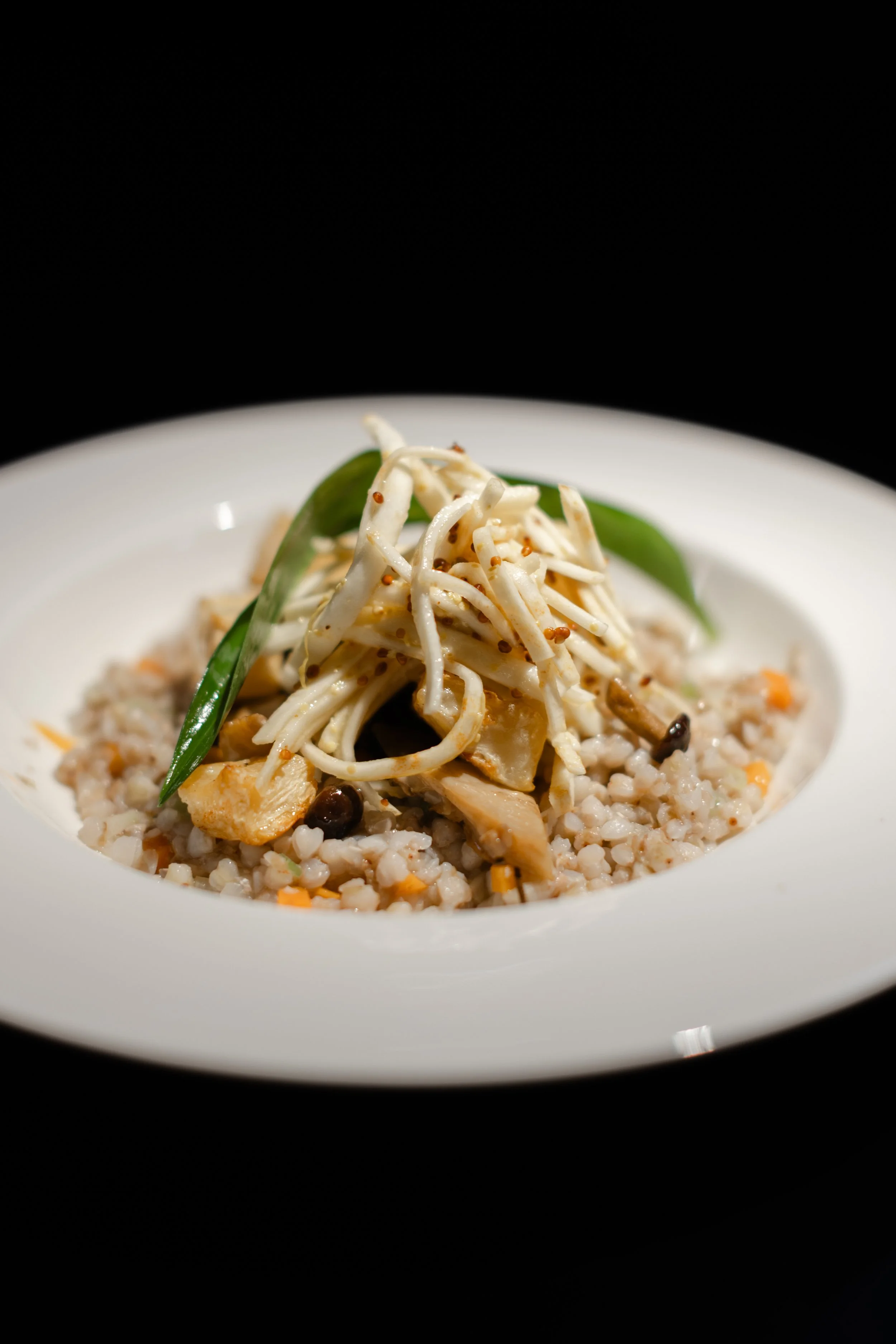
🧱 Bukweat risotto, roasted celeriac and fried mushrooms, celeriac relish.
🧱 Pears wrapped in fig leaves and cooked in clay.
🧱 Strawberries, chocolate and puffed rice.
Wine pairing: @granja__farmer
Light Design: @hombreala
Soundscape: @copy.pattern
Brick and Clay: @munlabecomuseo
Many thanks to: @iacprinetti
📸 Luigi De Palma for OGR Torino
Research in Piedmont
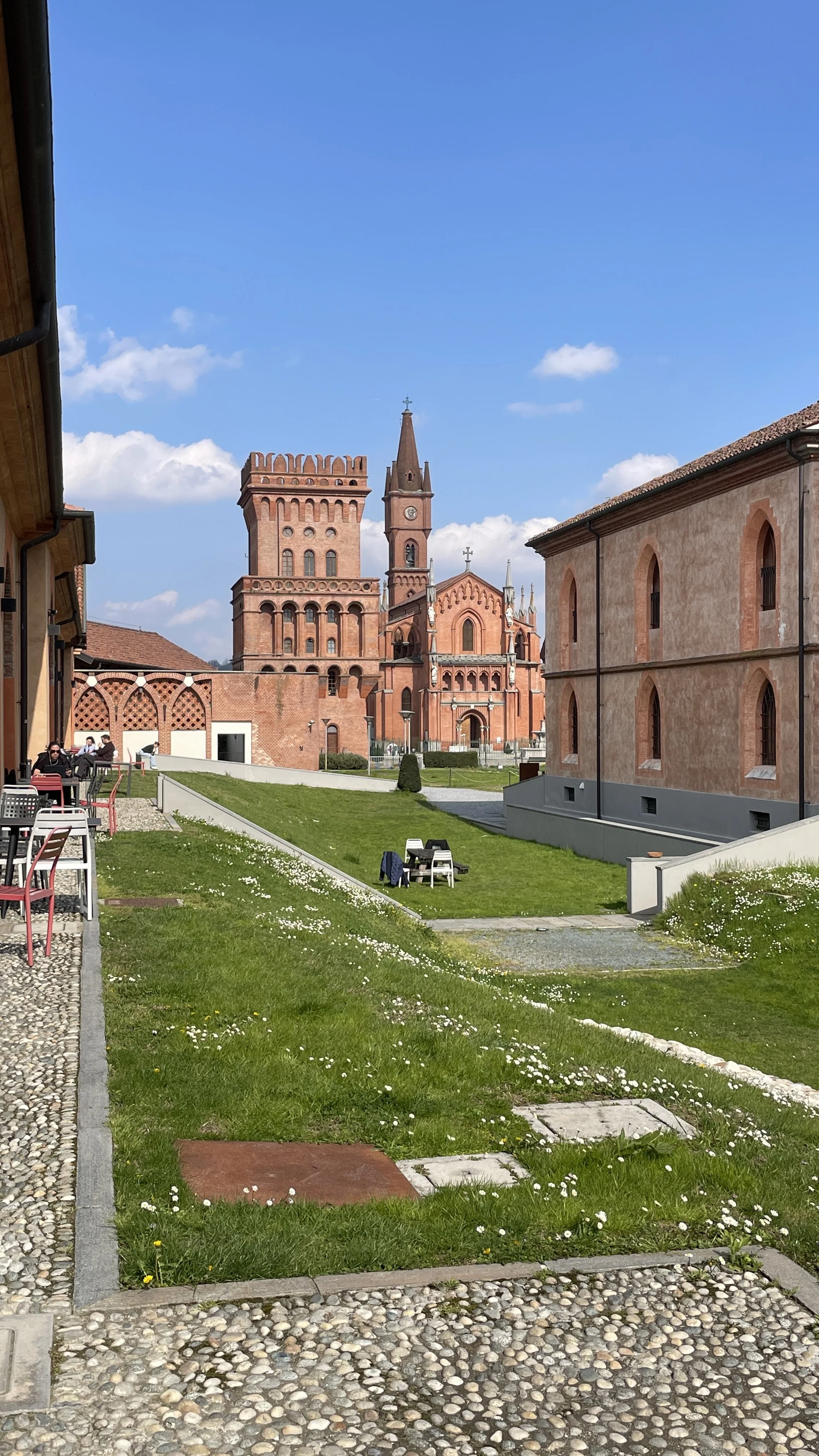
1. University of Gastronomic Sciences (UNISG) is located within the historic, neo-Gothic red-brick complex of the Agenzia di Pollenzo in Piedmont, Italy. The university operates out of a converted 19th-century royal estate and castle built by King Charles Albert of Savoy
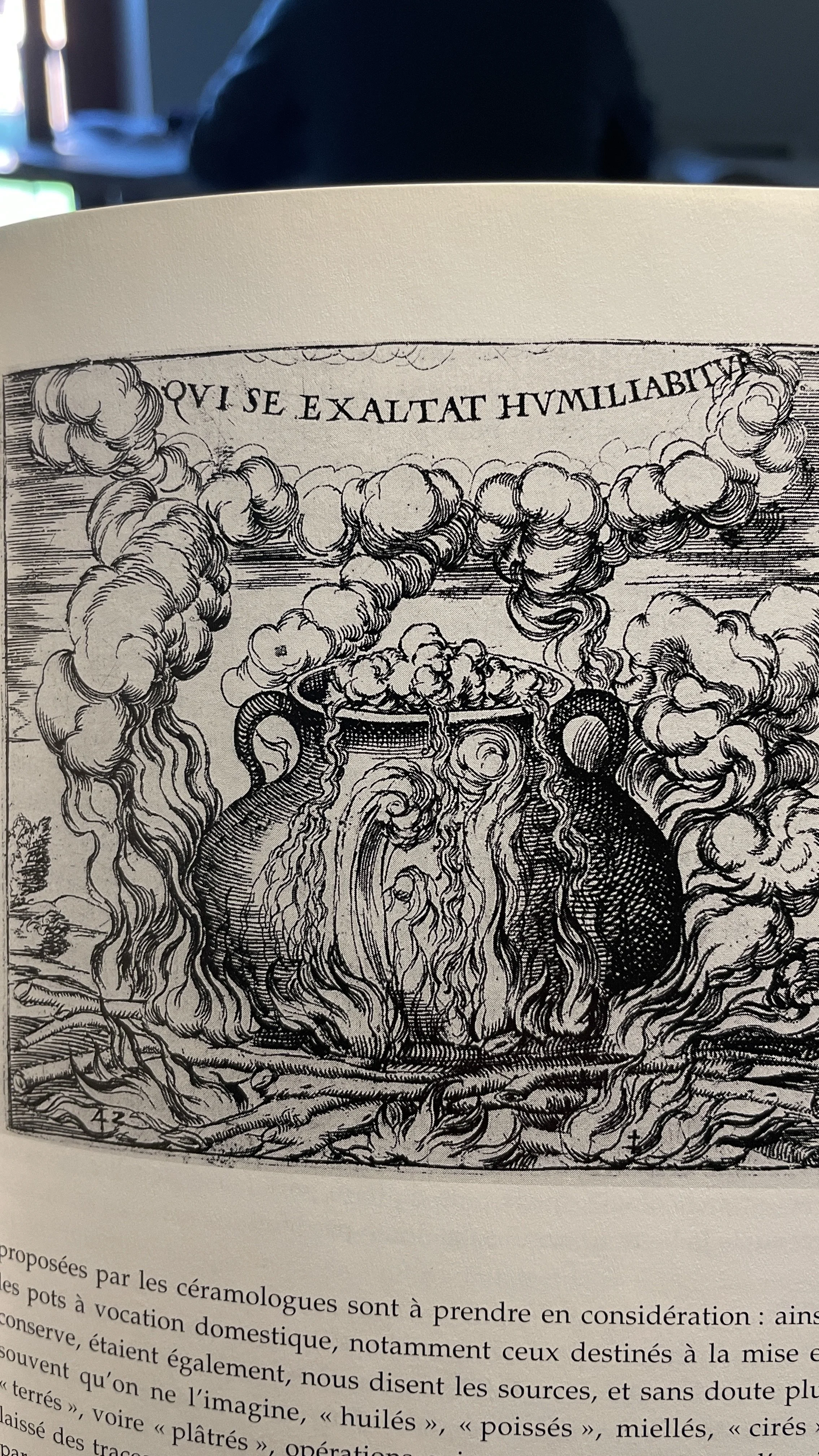
2. Une archéologie du gout, céramique et consommation par Daniele Alexandre-Bidon.
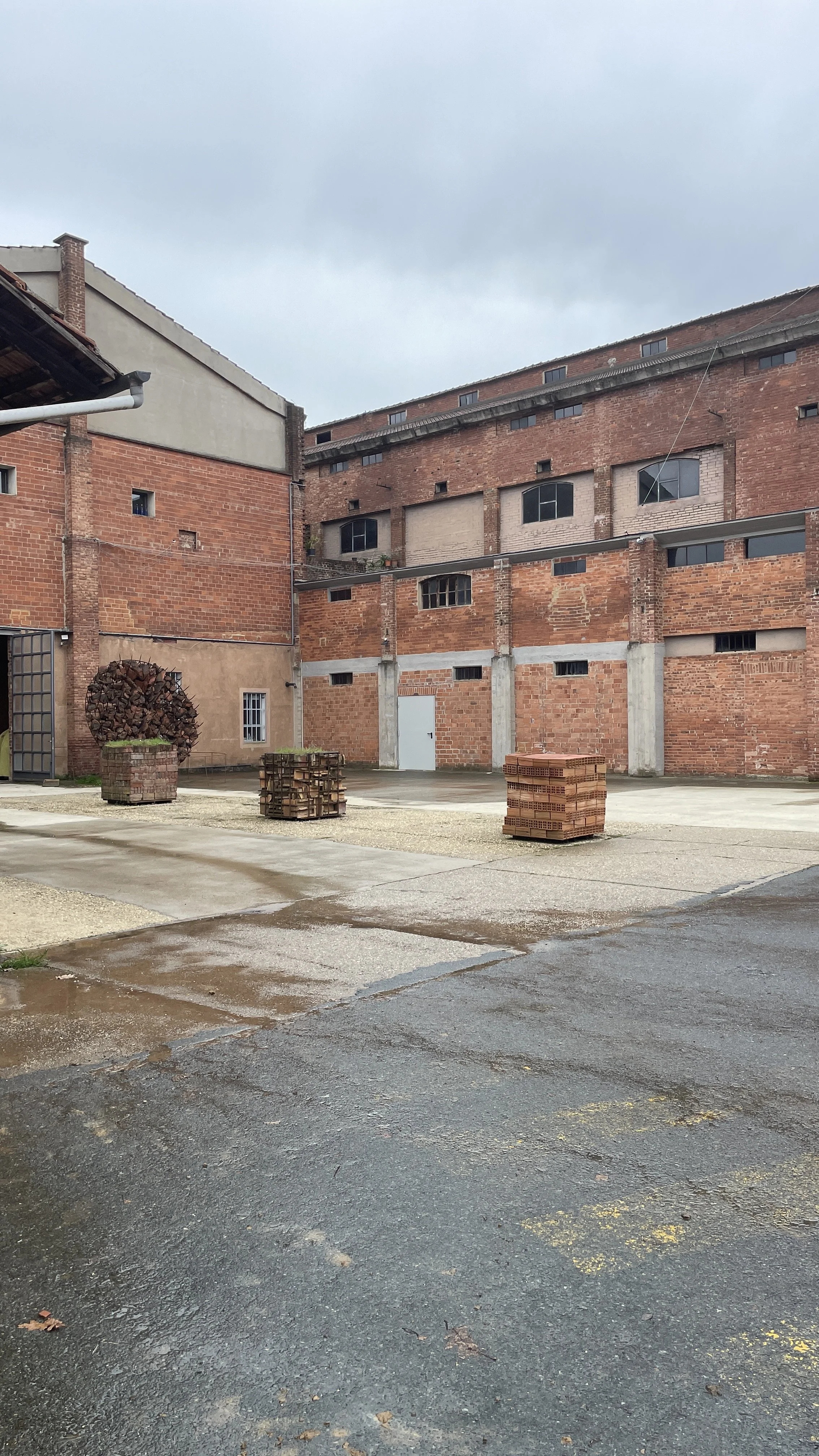
3. Munlab Ecomuseo dell'Argilla (the Clay Ecomuseum) is located inside a historic brick factory. The museum preserves the heritage of a industrial operation that utilized clay-rich soil of the Pianalto.